
Categories
Category:
Blog
Planning Permission vs Dropped Kerb Licence: What’s the Difference?
Planning permission and dropped kerb licences are often confused, yet they are two completely separate approvals.
Many homeowners, property buyers, developers and investors assume that once planning permission has been granted, they can automatically create a new vehicle access to their property. In reality, obtaining planning permission does not necessarily allow you to lower the kerb outside your property, just as obtaining a dropped kerb licence does not automatically mean planning permission isn’t required.
Understanding the difference before starting your project can save significant time, money and unnecessary delays.
In this guide, our Chartered Town Planners explain how planning permission and dropped kerb licences differ, when each approval may be required, and the common mistakes to avoid before creating a new driveway or vehicle access.
What Is Planning Permission?

When assessing an application, planning officers consider whether the proposal complies with national and local planning policies and whether it would have an acceptable impact on its surroundings.
For driveway and vehicle access projects, they may assess:
- Highway impacts
- Parking provision
- Residential amenity
- The appearance of the property
- Surface water drainage
- The character of the surrounding area
- Local planning policies
- The National Planning Policy Framework (NPPF)
Planning permission determines whether a development is acceptable in planning terms.
Importantly, planning permission does not authorise works to the public highway, including lowering the kerb outside your property.
What Is a Dropped Kerb Licence?
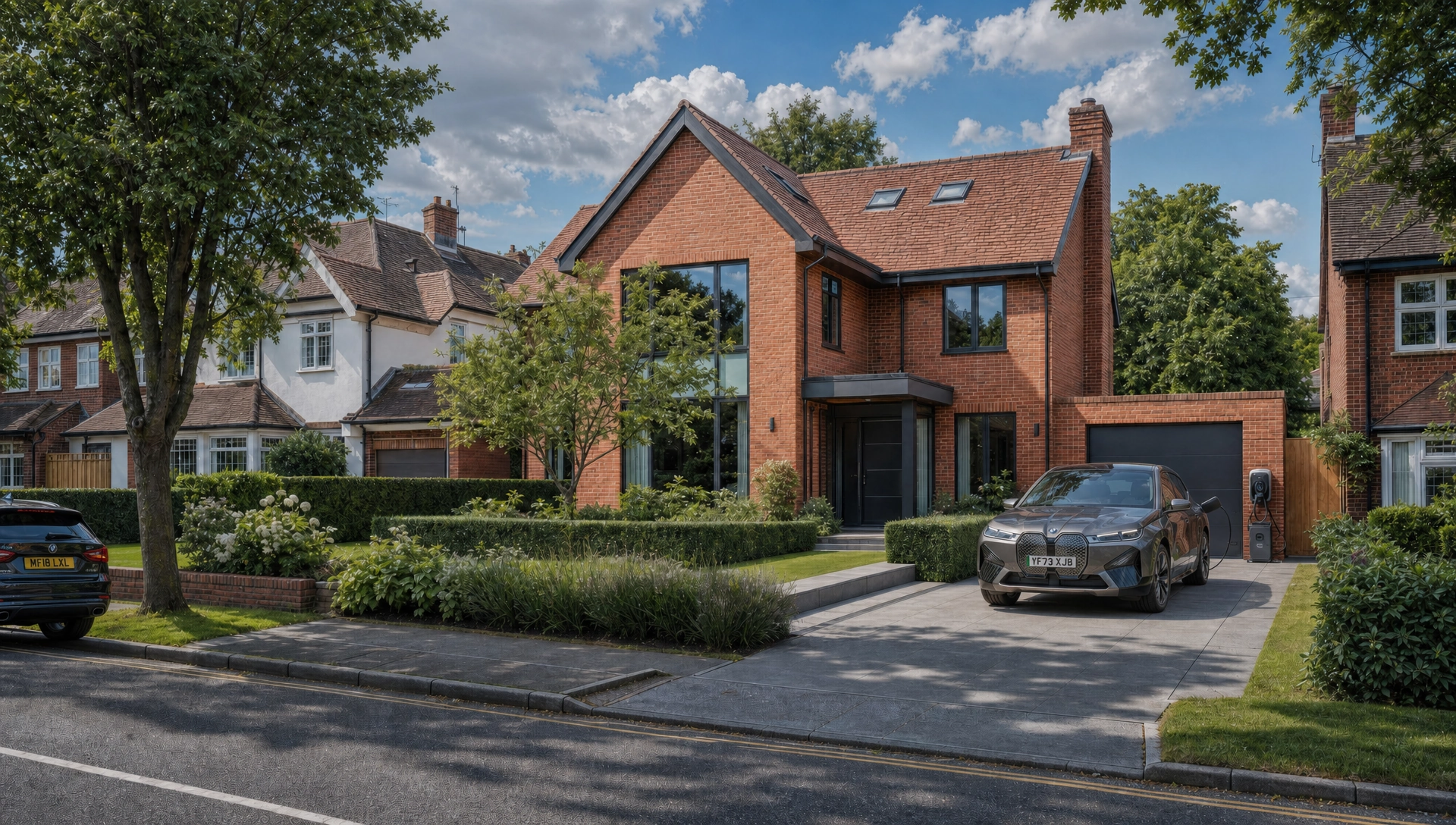
Unlike planning permission, this approval is entirely focused on highway safety and construction standards.
The Highway Authority may assess:
- Visibility for vehicles entering and leaving the property
- Pedestrian safety
- Traffic conditions
- Existing street trees
- Street furniture, such as lamp columns and road signs
- Underground utility services
- Surface water drainage
- The available parking space within your property
Most vehicle crossover applications are administered under Section 184 of the Highways Act 1980.
Even if planning permission has been granted, you cannot legally lower the kerb yourself or drive across the public footway without the appropriate highway approval.

Key Takeaway
Planning permission and a dropped kerb licence are two separate approvals issued by different authorities.
Planning permission determines whether your proposed development is acceptable, while a dropped kerb licence allows the Highway Authority to approve the construction of a safe vehicle crossover across the public highway.
Depending on your project, you may need one approval, both approvals or, in some cases, additional permissions before work can begin.
When Is Planning Permission Required?
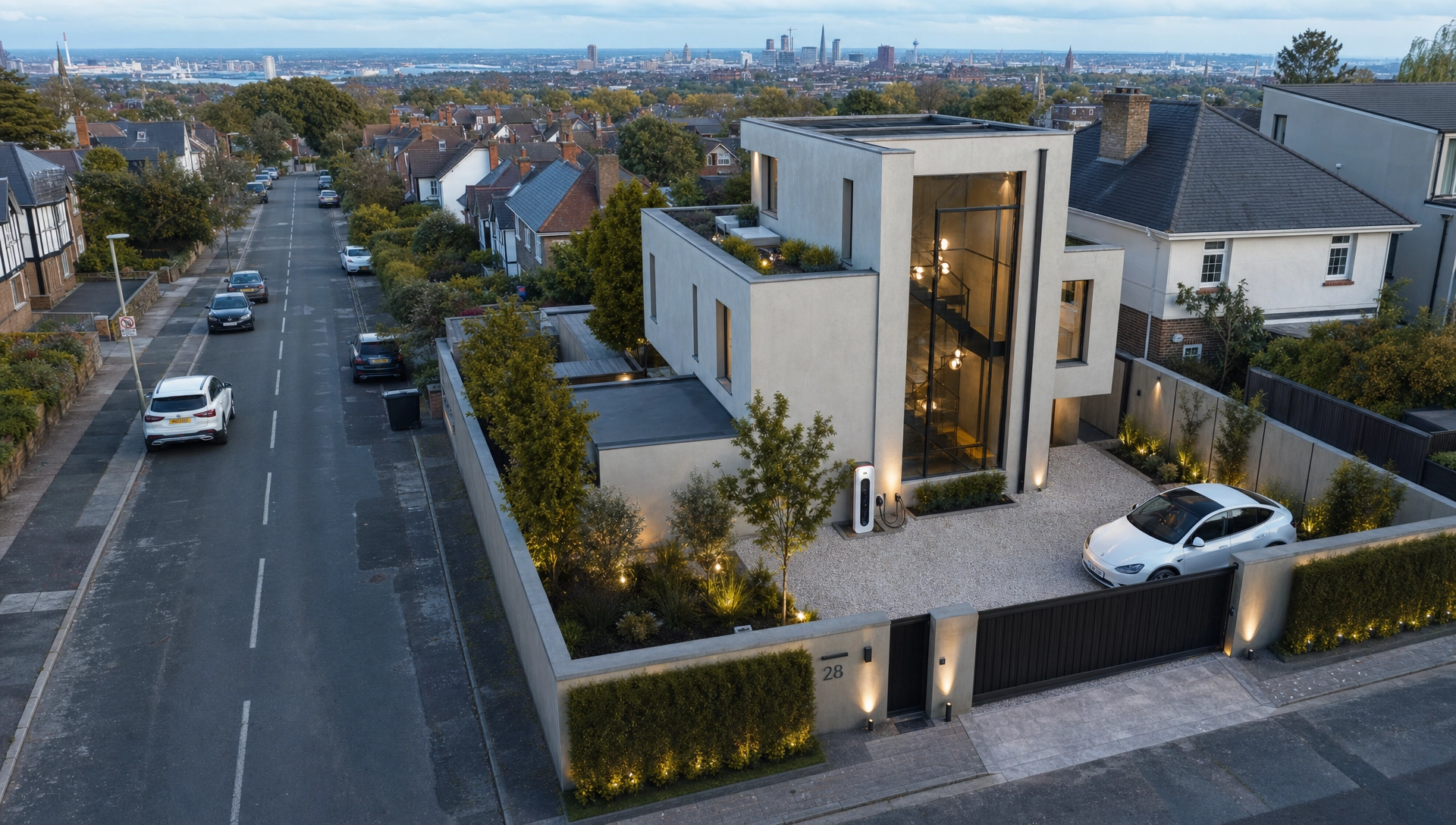
Whether planning permission is needed depends on your property, the proposed works and the location of the new access.
Planning permission is commonly required where:
- A new vehicle access is proposed onto a classified road.
- More than five square metres of impermeable surfacing is being installed without suitable drainage.
- The property is subject to planning restrictions, such as an Article 4 Direction.
- The proposal affects a listed building or involves significant alterations within a Conservation Area.
Many property owners are surprised to learn that planning permission may not be required, while a dropped kerb licence is still necessary.
As every site is different, it’s important to consider both planning and highway requirements before work begins.
When Do You Need Both Approvals?
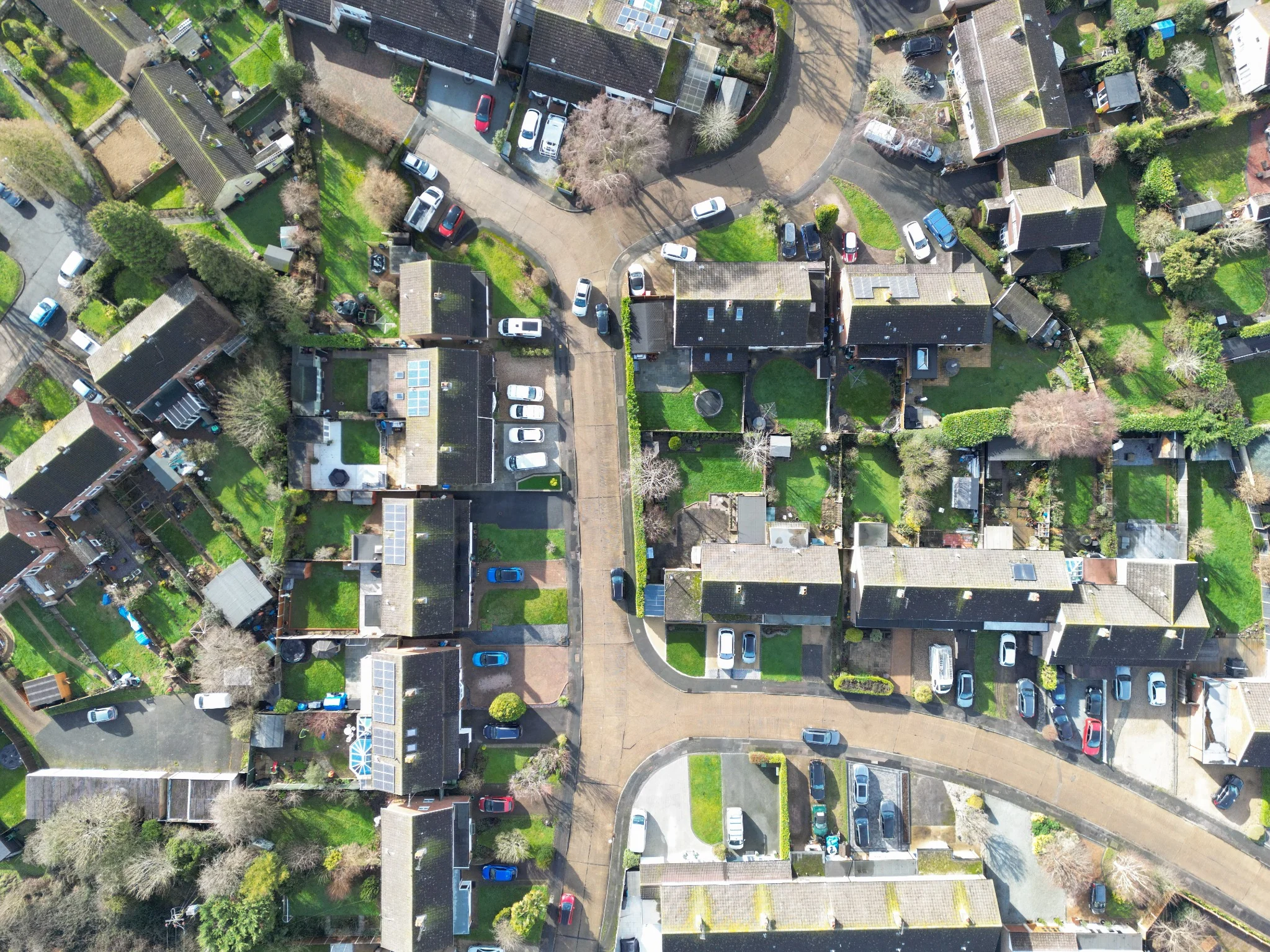
The answer depends entirely on your project.
Planning Permission Only
Some developments require planning permission but do not involve creating a new vehicle access.
Examples include:
- House extensions
- Loft conversions
- Garage conversions where no new driveway is proposed
- Certain outbuildings
In these situations, a dropped kerb licence is unlikely to be required.
Dropped Kerb Licence Only
If you’re creating a new driveway where planning permission is not required, you’ll usually still need approval from the Highway Authority to legally cross the public footway.
Both Approvals
Some projects require both planning permission and a dropped kerb licence.
This commonly includes:
- Creating a new access onto a classified road
- New residential developments
- Certain projects within Conservation Areas
- Significant alterations to an existing vehicle access
Applying for only one approval can lead to unnecessary delays, redesigns and additional costs.
Unsure whether your project requires planning permission, a dropped kerb licence or both? Contact our award-winning team at Planning By Design for a free, no-obligation consultation. Our Chartered Town Planners can assess your proposal and explain exactly which approvals are likely to be required before work begins.
When Additional Planning Considerations Apply
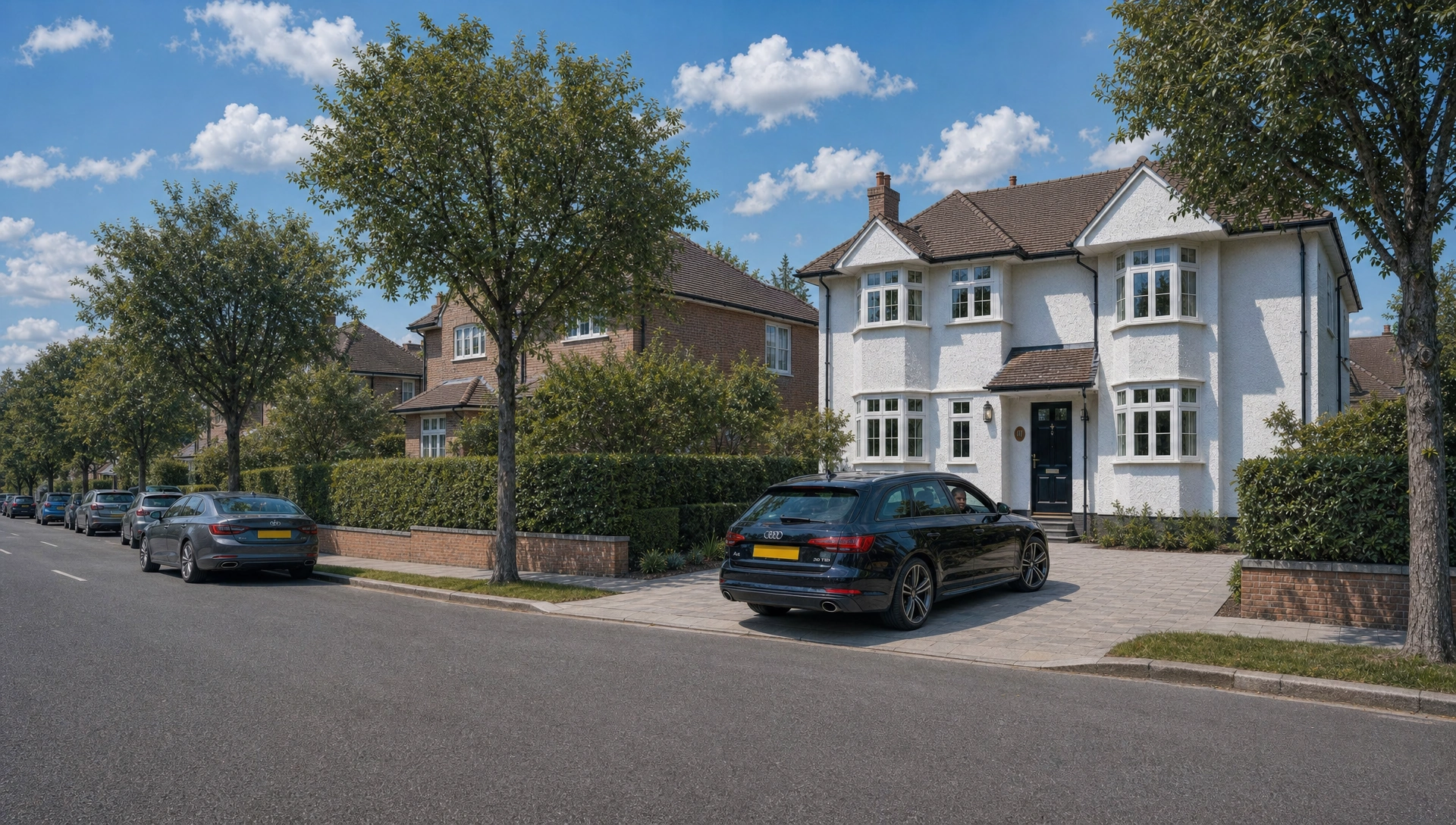
Some projects require more than just planning permission or a dropped kerb licence.
Additional approvals or planning considerations may apply if your property is:
- A Listed Building
- Located within a Conservation Area
- Subject to an Article 4 Direction
- Affected by planning conditions restricting alterations to parking or vehicle access
These circumstances don’t automatically prevent a new driveway or vehicle access, but they may influence the approvals required and the overall application process.
If you’re unsure whether your property is affected, it’s always worth seeking professional advice before work begins.
What Does the Highway Authority Assess?
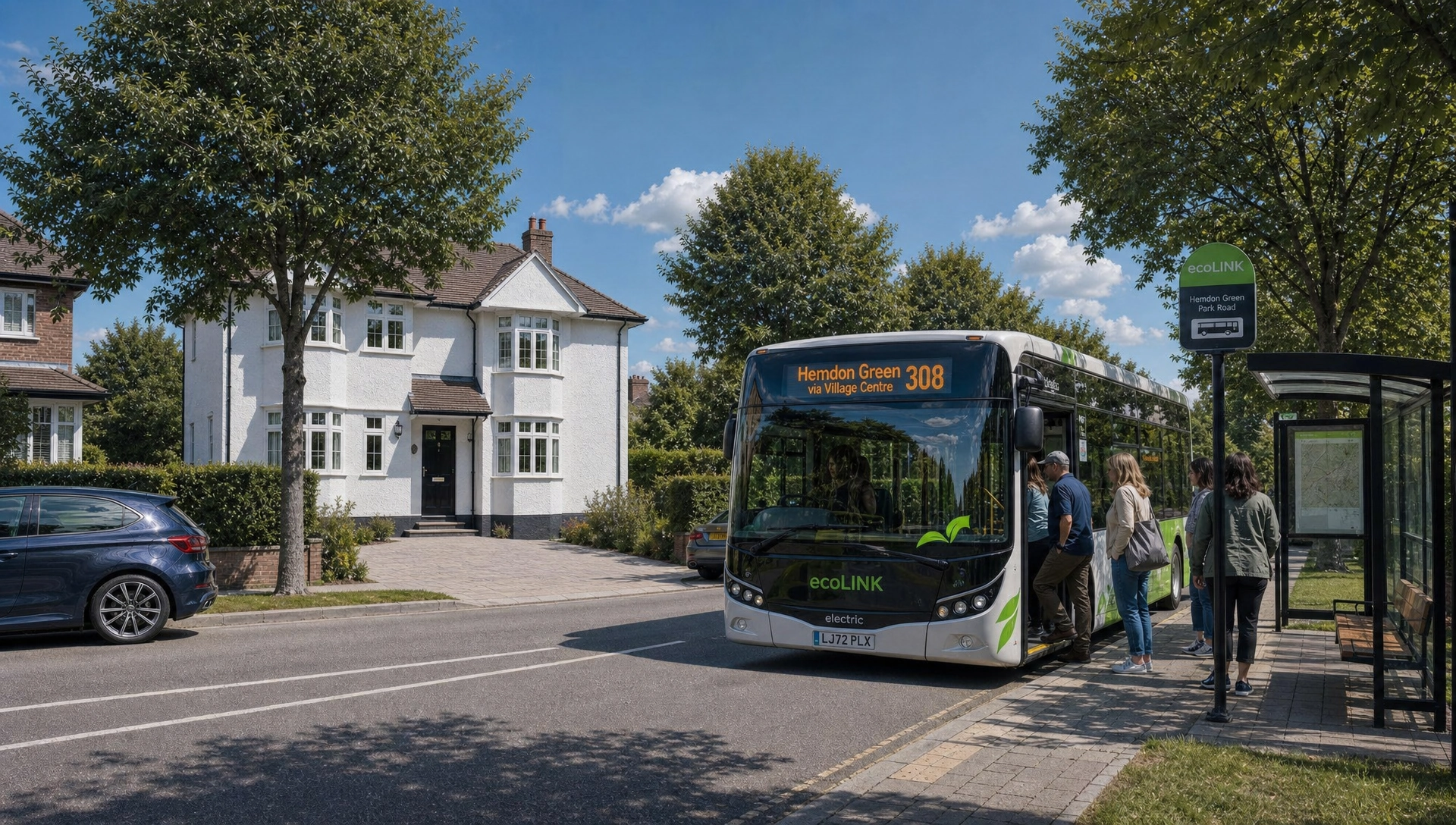
Although requirements vary between local authorities, the assessment process is broadly similar across England.
The Highway Authority’s primary responsibility is to ensure that a new vehicle access can be constructed and used safely without creating unnecessary risks for pedestrians, cyclists and other road users.
Applications are typically assessed against:
- Highway safety
- Visibility for vehicles entering and leaving the property
- Available parking space within the site
- Proximity to road junctions
- Existing street trees
- Street furniture, such as lamp columns, signs and utility cabinets
- Underground utility services
- Surface water drainage
Because every location is different, approval criteria and technical requirements can vary between councils.
Can Planning Permission Be Granted but a Dropped Kerb Licence Be Refused?
Yes.
Planning permission and dropped kerb licences are separate approvals assessed by different authorities.
Planning officers determine whether a proposal is acceptable under planning policy, while the Highway Authority assesses whether a safe vehicle crossover can be constructed.
This means planning permission may be granted, but a dropped kerb licence could still be refused because:
- Visibility is inadequate.
- A mature street tree cannot be removed.
- Underground utility services prevent construction.
- The proposed parking area is too small.
- The access is too close to a road junction.
- Existing street furniture cannot be safely relocated.
Considering both approvals at the earliest stage of your project can help avoid unnecessary delays, redesigns and additional costs.
Can a Dropped Kerb Licence Be Granted but Planning Permission Be Refused?
Yes.
The reverse situation can also occur.
A Highway Authority may decide that a vehicle crossover can be constructed safely, while the Local Planning Authority concludes that the wider development is unacceptable in planning terms.
For example, a dropped kerb licence may be granted, but planning permission could still be refused because:
- The proposal would harm the character or appearance of the property or surrounding area.
- The loss of a front garden, boundary wall or landscaping would be considered unacceptable.
- The proposed parking area would have an unacceptable visual impact.
- The development would conflict with local planning policies.
- The property is located within a Conservation Area or is affected by an Article 4 Direction.
- The proposed driveway does not provide suitable surface water drainage.
A dropped kerb licence therefore does not confirm that the wider driveway, parking area or associated works are acceptable under planning legislation.
As with the reverse scenario, obtaining one approval does not guarantee that the other will also be granted.
Common Mistakes to Avoid
Some of the most common mistakes include:
- Assuming planning permission automatically includes approval for a dropped kerb.
- Believing that because a neighbouring property has a dropped kerb, a similar application will automatically be approved.
- Constructing a driveway before confirming that vehicle access can be authorised.
- Attempting to lower the kerb without permission.
- Assuming any contractor can carry out the work.
- Overlooking drainage or parking requirements.
Every application is assessed on its own merits, and what has been approved elsewhere may not necessarily be appropriate for your property.
How Planning By Design Can Help
Understanding whether your project requires planning permission, a dropped kerb licence or both can be challenging.
Planning By Design’s award-winning team of Chartered Town Planners and architectural designers can assess your proposal before any application is submitted, helping you understand which approvals are likely to be required.
We can provide pre-planning advice, prepare planning applications and identify potential planning constraints early, helping to reduce delays, avoid unnecessary costs and improve your chances of success.
With more than 900 successful planning approvals across England, our experienced team provides clear, practical advice tailored to every project.
Conclusion
Planning permission and a dropped kerb licence are often confused, but they serve entirely different purposes.
Planning permission determines whether a proposed development is acceptable under planning legislation, while a dropped kerb licence allows the Highway Authority to approve the construction of a safe vehicle crossover across the public highway.
Depending on your project, you may need planning permission, a dropped kerb licence or both approvals. In some cases, additional permissions may also be required.
Understanding the difference before work begins can help you avoid unnecessary delays, redesigns and costly mistakes.
Need Professional Advice?
Every property is different, and the planning and highway requirements for one project may not apply to another.
If you’re planning a new driveway, creating a vehicle access or simply want to understand which approvals your project requires, obtaining professional advice early can save time, reduce costs and help avoid unnecessary delays.
Contact our award-winning team at Planning By Design for a free, no-obligation consultation. Our Chartered Town Planners and architectural designers can assess your proposal, identify the approvals you may need and help you choose the most appropriate route forward.
Frequently Asked Questions
Is a dropped kerb licence the same as planning permission?
No. They are separate approvals issued by different authorities. Planning permission relates to the proposed development, while a dropped kerb licence relates to creating safe vehicle access across the public highway.
Do I always need planning permission for a dropped kerb?
Not always. Many projects only require a dropped kerb licence. However, planning permission may also be required depending on the location of the property and the nature of the proposed works.
Who approves a dropped kerb?
Dropped kerb applications are typically assessed by the relevant Highway Authority or local council responsible for maintaining the public highway.
Can planning permission be approved but the dropped kerb refused?
Yes. Planning permission and dropped kerb licences are separate approvals, so obtaining one does not guarantee the other.
Can a dropped kerb licence be granted but planning permission refused?
Yes. A Highway Authority may approve a vehicle crossover from a highway safety perspective, while the Local Planning Authority may refuse planning permission for the wider development.
Can I install a dropped kerb myself?
In most cases, no. The work must usually be carried out by the Highway Authority or an approved contractor working to the council’s specifications.
What is a vehicle crossover?
A vehicle crossover is the strengthened section of pavement that allows vehicles to safely cross between the road and private property.
Do I need planning permission to widen an existing dropped kerb?
Not always, but approval from the Highway Authority is usually required. Depending on the proposed changes and the location of the property, planning permission may also be necessary.
Can Planning By Design help with my project?
Yes. Planning By Design can advise whether planning permission is required, prepare planning applications and provide expert guidance throughout the planning process.

A versatile and resilient Chartered MRTPI Town Planner with private and public sector experience. Aaron has a deep understanding of the planning process as both the applicant and local planning authority. Whether small scale residential or large scale commercial developments his expertise ensures the best advice and robust planning applications.
Need Planning Advice? Get a Free Consultation.
Contact UsGet a Free Instant Estimate!
Cost Calculator


