
Categories
Category:
Blog
A Smarter Approach to Planning and Design: Where AI Delivers Real Value

At Planning By Design, our approach has never been about adopting technology for its own sake. Instead, we focus on how it can improve the way projects are delivered, how clients are supported, and how the overall planning process is experienced.
The result is not simply greater efficiency internally, but a more responsive, transparent and reliable service for our clients.
Why AI Matters in Planning and Design
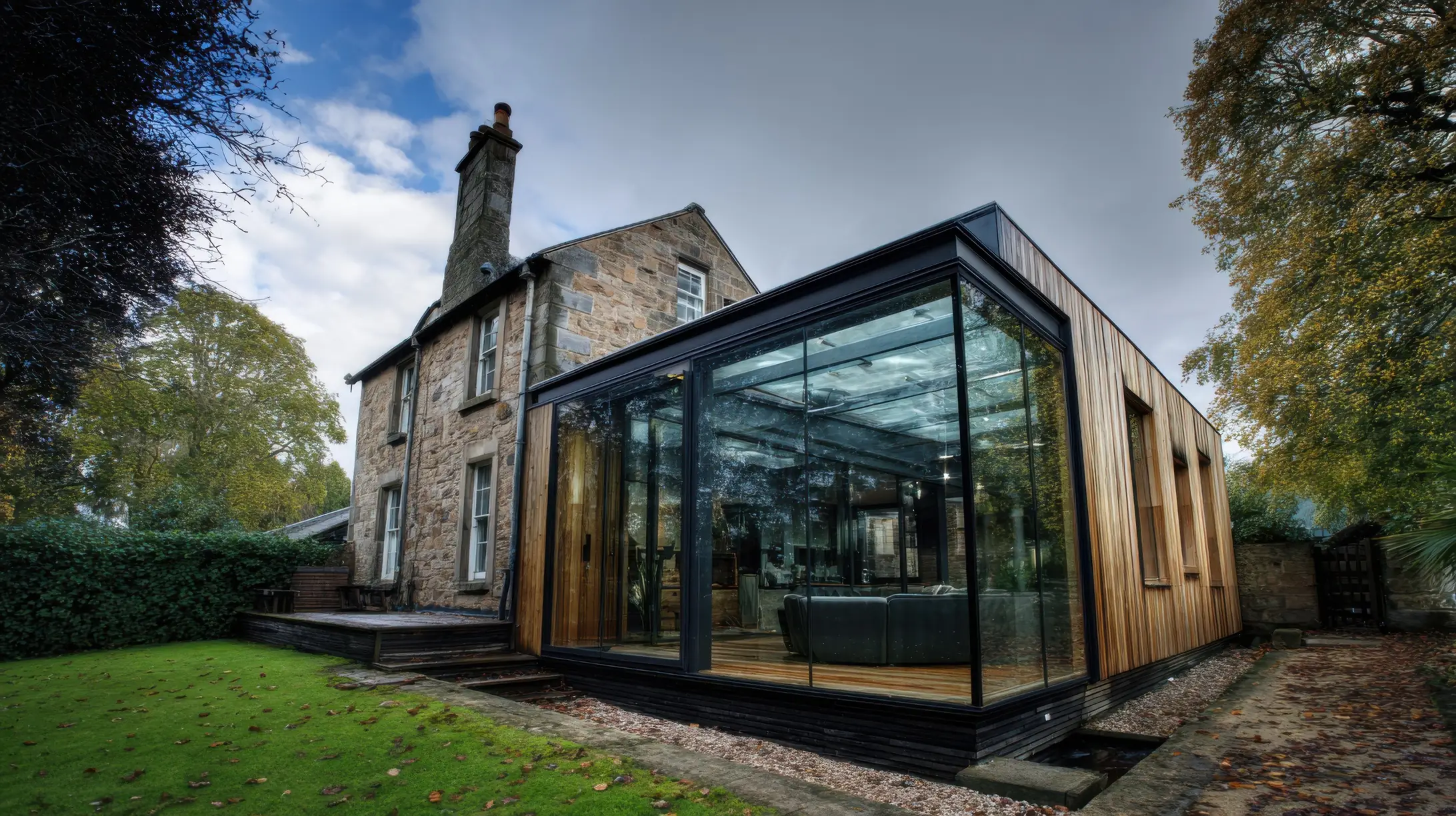
Delays and frustration are often caused not by planning itself, but by slow communication, fragmented systems, manual administrative processes, and a lack of visibility on project progress.
This is where intelligent systems can make a meaningful difference.
When applied properly, AI does not replace professional expertise, it supports it. It removes friction from the process, allowing planners and designers to focus on strategy, design quality and decision-making.
In a sector where trust, clarity and responsiveness matter, these improvements are not minor operational gains — they directly shape the quality of the client experience.
A More Responsive Start to Every Project

Clients can receive clear direction on planning and design queries, understand the likely next steps in their project, and arrange planning appraisals more efficiently.
For example, our AI assistant, Aisa, is available 24/7 to support clients at the early stages of their project. She can answer common questions, guide users through the process, and help them move forward with clarity and confidence without unnecessary delays. She can also support clients in taking the next step by helping to arrange planning appraisals and, where appropriate, initiating the process of issuing invoices and payment links.
Importantly, more complex or site-specific matters are always referred to our chartered town planners, ensuring that professional judgement remains central to the process.
Improving Consistency and Reducing Delays

By integrating AI into our workflows, we can standardise key stages of the client journey, reduce the risk of missed information, and ensure internal processes are followed correctly. This includes supporting tasks such as preparing planning appraisal invoices, assembling feasibility information, and ensuring that project data is handled consistently across systems.
Rather than allowing progress to depend on repetitive manual coordination, AI helps us keep projects moving with greater consistency and control.
What previously required multiple manual steps can now be delivered more efficiently and with greater reliability.
For clients, this means fewer delays and a smoother progression from enquiry through to instruction.
Greater Transparency Throughout the Process
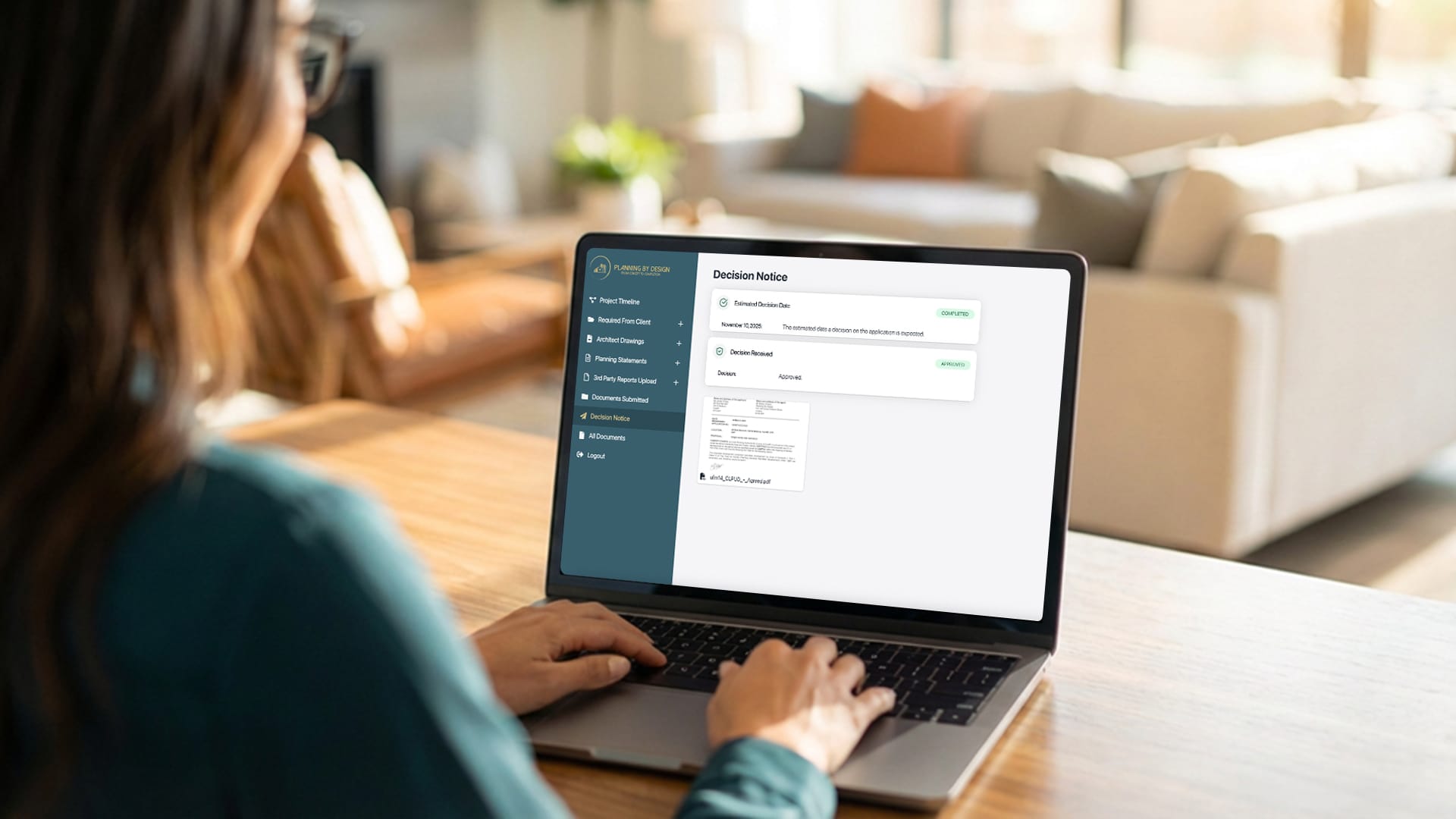
Unlike traditional approaches, where updates are often fragmented across emails and attachments, we have developed a dedicated client portal that brings the entire planning process into one place.
Rather than relying on scattered communication, this creates a far clearer experience than the traditional model of piecing together updates across separate messages, attachments and follow-ups.
Clients can log in at any time to track their project timeline in real time, access all drawings, reports and submissions, and clearly see the next steps required to keep the project moving forward.
The portal also highlights any information required from the client, helping to prevent delays and ensuring that projects progress as efficiently as possible. It also reduces the need for routine update calls, as clients can access accurate, up-to-date information whenever they need it.
Within the portal, clients also have access to Aisa, our AI assistant, who is available 24/7 to provide guidance on project updates, timelines and next steps — offering immediate clarity whenever it is needed.
The result is a more transparent, structured and predictable planning experience, with fewer uncertainties and greater confidence throughout the lifecycle of a project.
Reducing Administrative Burden to Focus on What Matters

By automating many of these routine tasks, we reduce manual handling, improve consistency in record-keeping, and free up time across the team.
In practice, this includes supporting a range of day-to-day operational tasks — from monitoring project milestones and identifying overdue actions, to helping teams filter and prioritise active projects and generate reports that provide greater visibility across the business.
For a growing practice managing a large number of active projects, these efficiencies are critical.
This allows our planners and designers to spend less time on administrative coordination and more time on the work clients genuinely value: clear advice, considered strategy and well-informed planning decisions.
Supporting Knowledge Sharing and Communication at Scale

Over the past two years, this approach has supported the delivery of over 130 articles and more than 140 video resources, allowing us to share expertise at scale while maintaining full professional oversight.
This is not simply about producing more content. It is about making trusted planning and design knowledge more accessible, so that clients are better informed, better prepared and better equipped to make decisions at each stage of their project.
Technology as a Tool, Not a Replacement

As Grant Singlehurst-Ward, Founder & Managing Director, explains, “for us, AI has never been about replacing people. It’s about removing inefficiencies, improving consistency, and allowing our team to focus on the areas where their expertise adds the most value. Ultimately, it enables us to deliver a better experience for our clients.”
AI delivers the greatest value when it strengthens the systems that support project delivery, improves consistency across processes, and reduces unnecessary workload.
Planning and design will always rely on expertise, judgement and trust. Technology simply enables those strengths to be applied more effectively.
Final Thoughts

At Planning By Design, we see it as part of a more thoughtful way of working — one that reduces friction, improves clarity, and helps us deliver the standard of service clients should expect from a modern planning and design practice.
If you are considering a planning project and would like a clearer, more structured and responsive experience, our team would be happy to help.

A serial entrepreneur with background in sales and marketing, Grant is the founder and managing director. He founded Planning By Design to provide clients with the highest possible level of service at unbeatable prices.
Need Planning Advice? Get a Free Consultation.
Contact UsGet a Free Instant Estimate!
Cost Calculator


