
Categories
Category:
Blog
Why AI, Rising Energy Demand and Costs Could Drive a Solar Boom in the UK
Introduction
For years, solar panels in the UK were often viewed as a niche sustainability feature, something associated mainly with eco-conscious homeowners or ambitious self-build projects.
That perception is beginning to change.
As energy prices remain volatile, electricity demand continues to rise and technologies such as artificial intelligence place increasing pressure on global energy infrastructure, solar energy is becoming part of a much bigger conversation about the future of housing, energy security and long-term resilience.
At the same time, more UK homeowners are installing electric vehicle charging points, relying more heavily on electricity and looking for ways to reduce long-term dependence on unpredictable energy markets.
The result is a growing question across the property sector:
Could the UK be heading towards a significant solar boom?
While solar panels are not the right solution for every property, there are growing signs that renewable energy may become an increasingly important part of how UK homes, developments and commercial sites are designed in the years ahead.
Why Energy Demand Is Rising So Rapidly
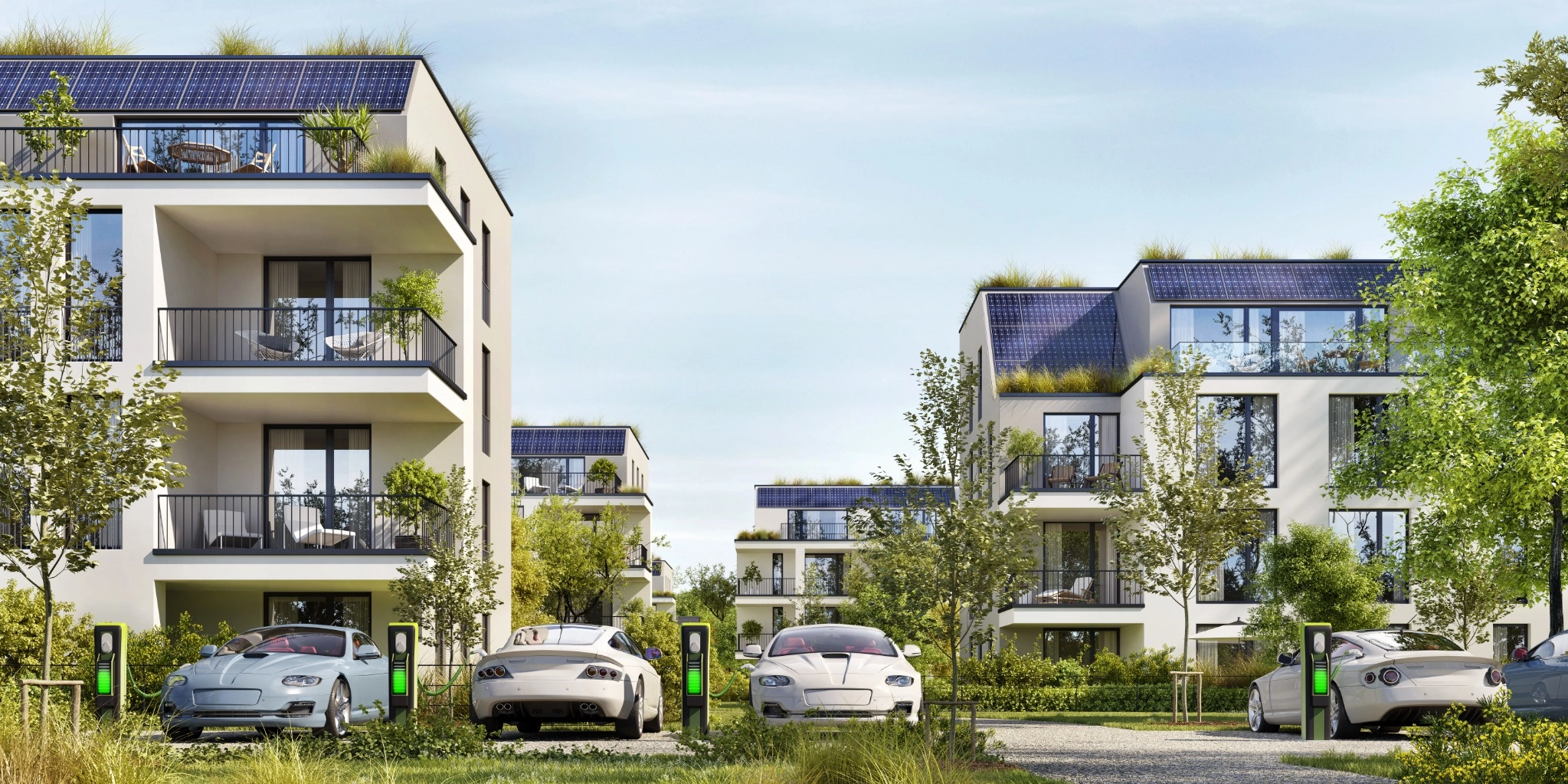
Global energy demand is increasing at a remarkable pace.
One of the major drivers behind this is the rapid expansion of artificial intelligence and digital infrastructure. AI systems and data centres require enormous amounts of electricity to power servers, cooling systems and increasingly complex computing demands.
As AI adoption accelerates globally, concerns are already emerging around whether existing energy infrastructure can keep pace with future electricity requirements.
According to the International Energy Agency (IEA), electricity demand from data centres, artificial intelligence and cryptocurrency could more than double globally over the coming years, placing increasing pressure on existing energy infrastructure.
At the same time, homes themselves are becoming more energy dependent.
Electric vehicle adoption continues to grow across the UK, with more households installing EV charging points and relying more heavily on domestic electricity usage. Smart home technology, home offices, battery storage systems and connected devices are also contributing to rising household energy demand.
This wider electrification of daily life is likely to place increasing long-term pressure on national energy systems.
Energy Costs, Geopolitical Instability and Energy Security
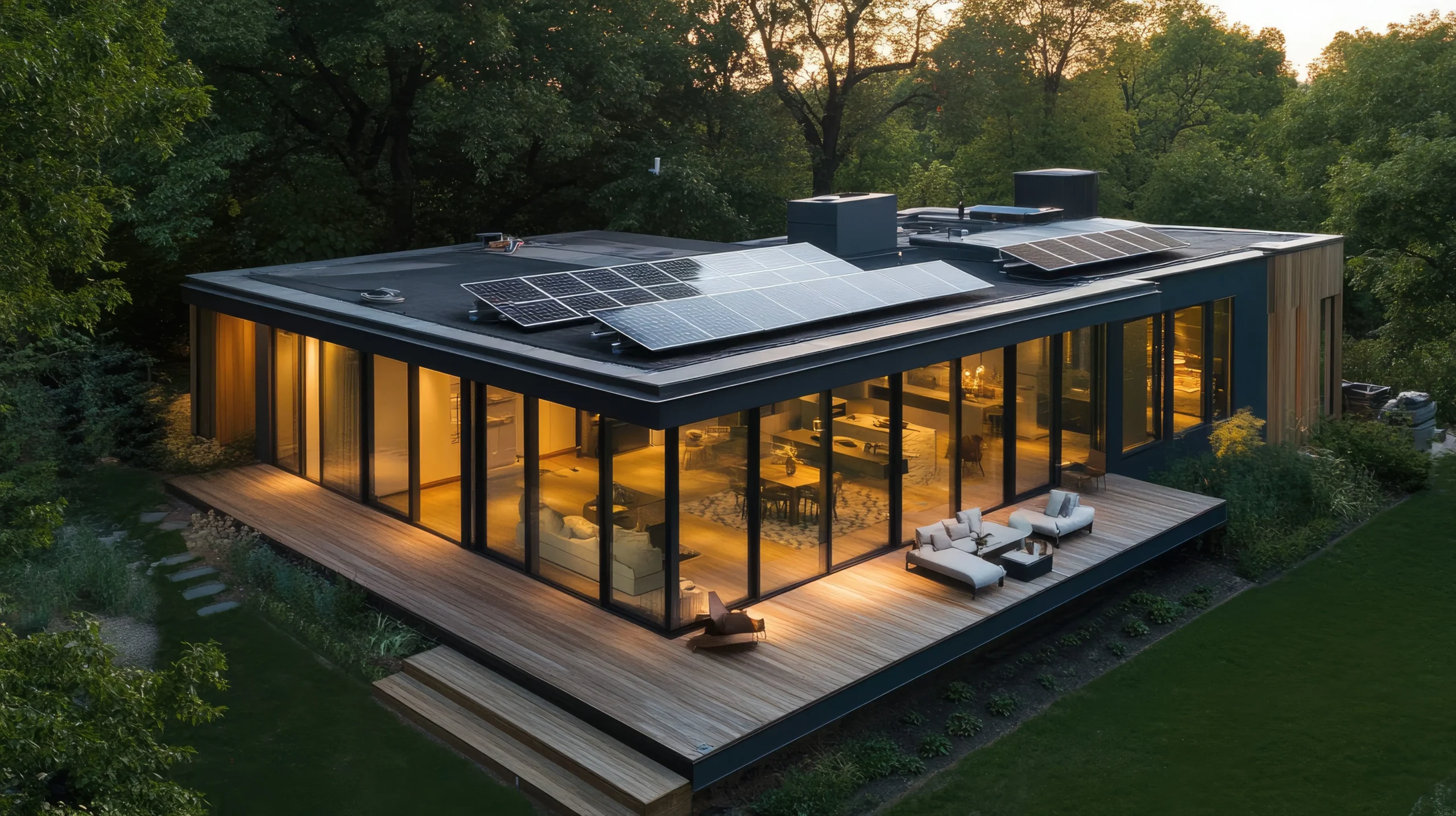
Recent years have shown how geopolitical instability, global conflict and supply chain disruption can significantly affect oil and gas prices, creating volatility across international energy markets.
For many households and businesses, rising electricity costs are no longer viewed as a temporary issue but as part of a broader long-term shift in global energy uncertainty.
Rising household energy bills have become a major concern for many UK homeowners in recent years, contributing to growing interest in energy-efficient homes and renewable technologies.
This has changed the way many people think about their homes and properties.
Energy efficiency is increasingly becoming a financial consideration, a resilience strategy and a long-term investment decision.
For some homeowners, solar panels represent an opportunity to reduce reliance on external energy markets while improving the efficiency and future resilience of their property.
As concerns around energy security continue, domestic renewable generation may become increasingly attractive both economically and strategically.
Could the UK See a Solar Boom?
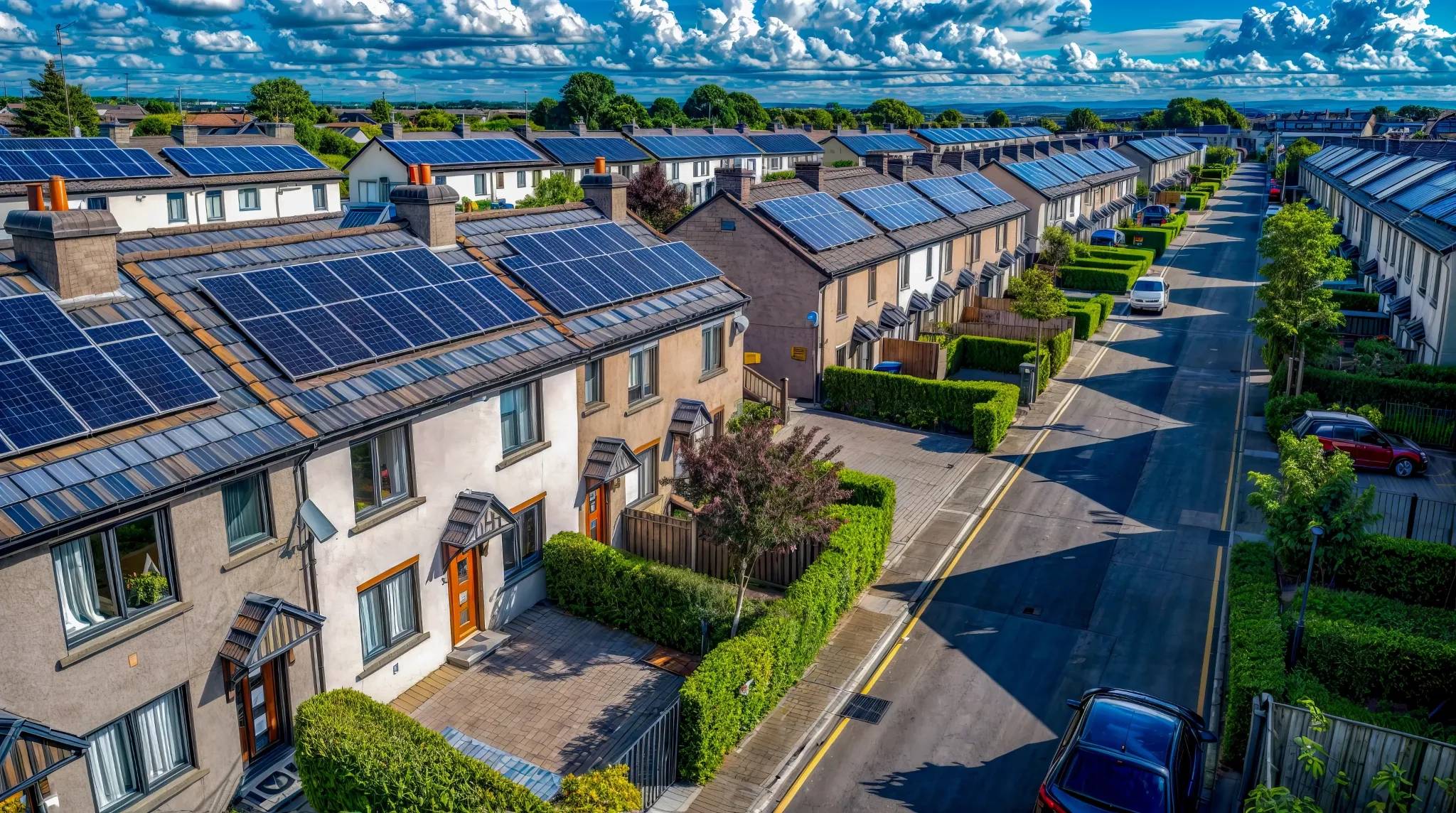
There are several reasons why solar adoption could increase significantly across the UK over the coming years.
Firstly, public attitudes towards renewable energy are evolving rapidly. Sustainability and energy efficiency are becoming increasingly important considerations for homeowners, developers and investors alike.
The UK has already seen significant growth in renewable energy adoption over recent years, with solar continuing to play an increasingly important role within the country’s transition towards lower-carbon energy generation.
Secondly, solar technology has improved considerably in recent years. Modern solar panels, battery storage systems and energy management technologies are making residential solar more practical and efficient for many properties.
There is also growing awareness that future homes may need to function differently from those of the past.
As energy demand increases and infrastructure pressure grows, homeowners may place greater importance on energy independence, lower running costs, sustainable design and long-term resilience.
Solar panels are therefore increasingly being viewed not simply as an environmental feature, but as part of a broader future-proofing strategy.
Expert Insight
Aaron Basi, Head of Town Planning at Planning By Design, comments:
“As energy costs continue to rise and electricity demand increases, we are seeing sustainability and energy resilience become a much bigger part of the planning conversation. Homeowners and developers are no longer only thinking about additional space or aesthetics they are increasingly considering long-term running costs, energy efficiency and how properties may need to adapt in the future.
We are also seeing growing interest in renewable energy solutions across both residential and commercial projects. As pressure on energy infrastructure increases over the coming years, it is likely that solar and other sustainable technologies will become an increasingly important consideration within UK property and planning.”
Are Solar Panels Actually Worth It?
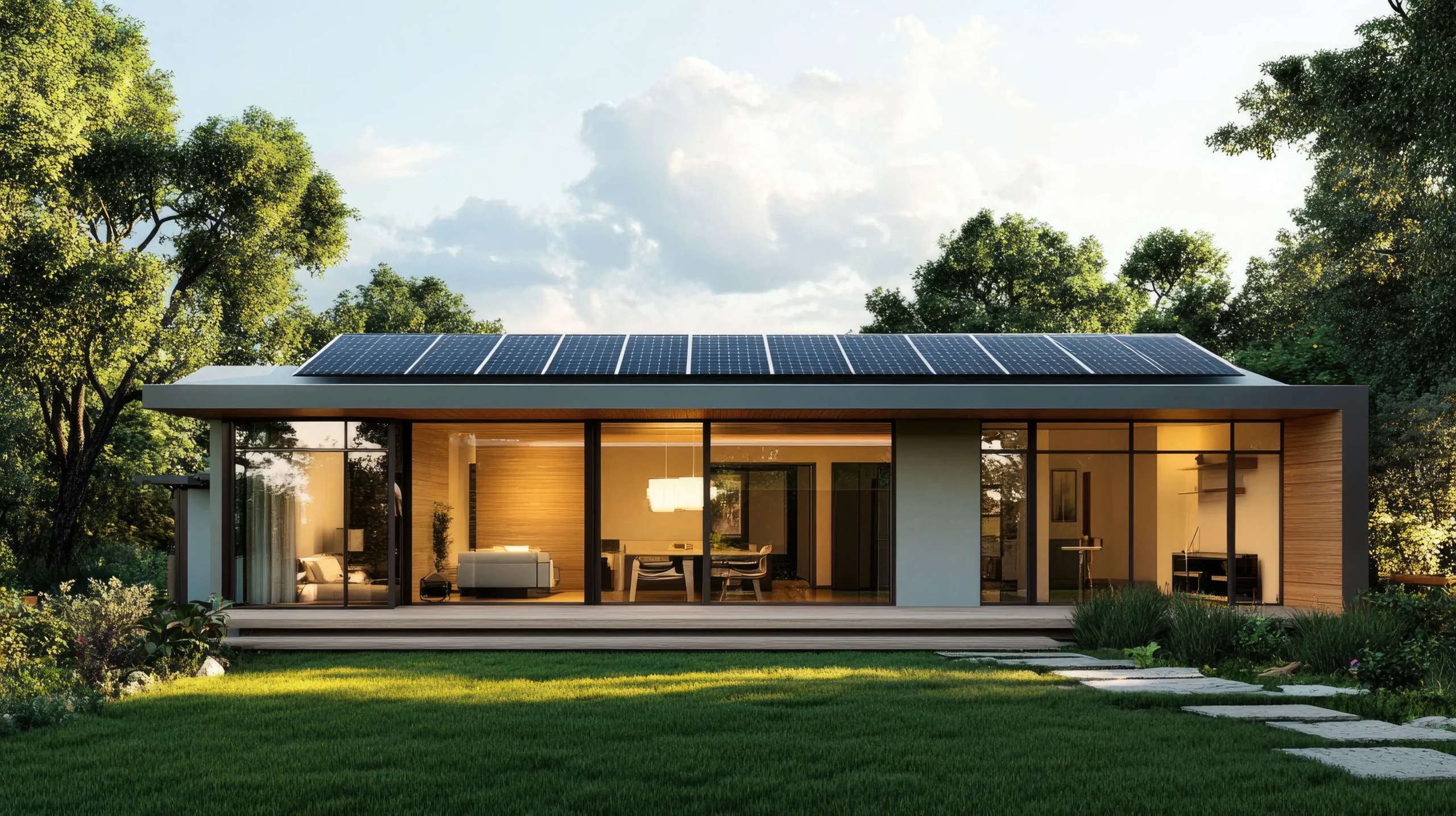
Potential advantages may include reduced electricity bills, improved EPC ratings, increased buyer appeal, greater energy efficiency and long-term energy resilience.
Energy efficiency is also becoming increasingly important within the housing market, with EPC ratings playing a growing role in buyer decision-making and long-term property desirability.
Battery storage systems may further improve performance by allowing excess electricity to be stored and used during peak demand periods.
However, realistic expectations remain important.
Solar panels are typically a medium-to-long-term investment rather than an instant financial return. Performance can vary depending on roof orientation, shading, installation quality, household energy usage and planning constraints.
Not every property will benefit equally, which is why professional assessment and design remain important.
Commercial Solar and Investment Opportunities
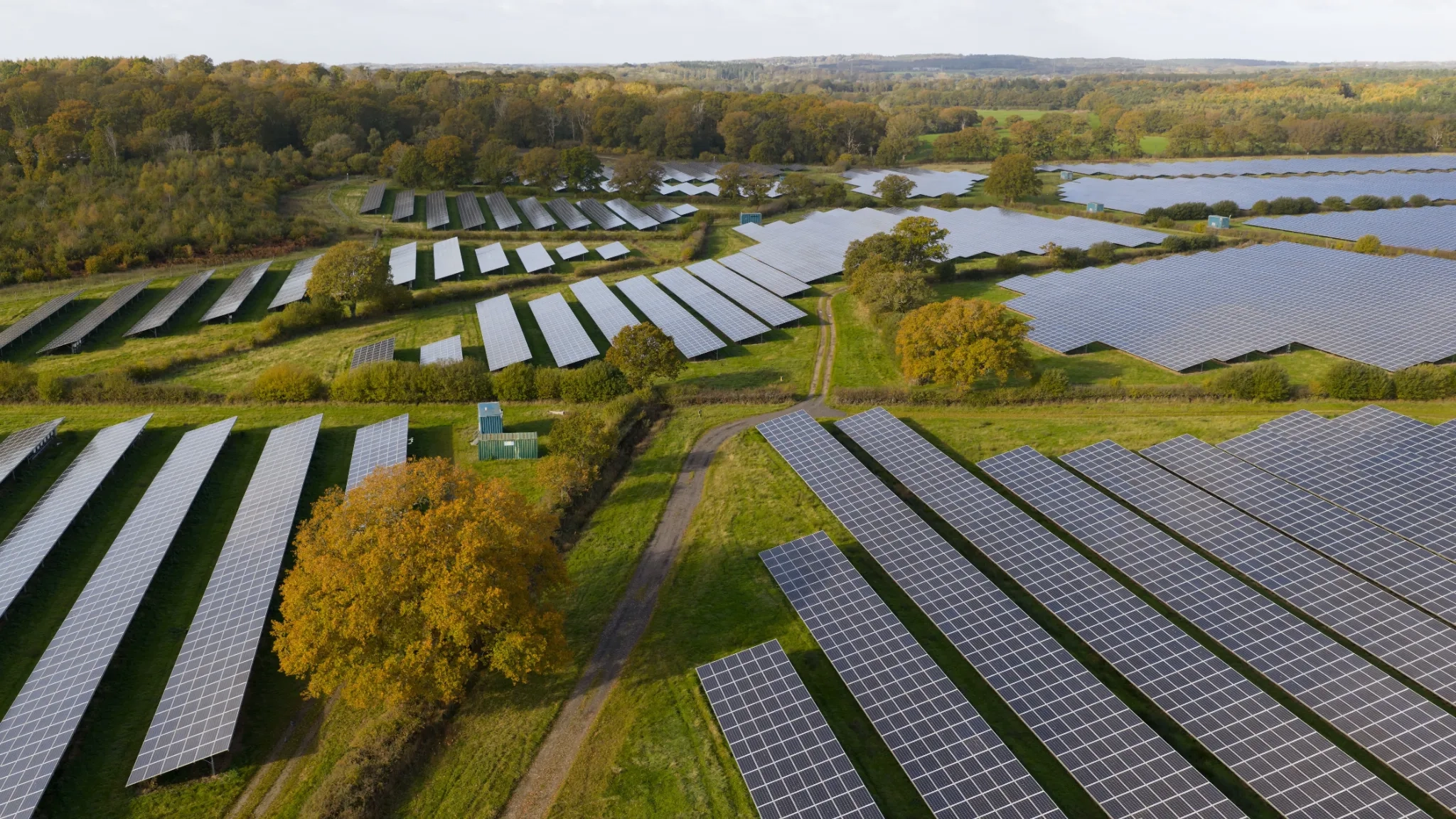
While much of the conversation around solar focuses on homeowners, commercial solar projects may also become increasingly important over the coming years.
As AI infrastructure, digital services and electrification continue to increase energy demand, pressure on national grids is likely to grow further.
This may create significant opportunities for commercial rooftop solar, battery storage infrastructure, industrial renewable schemes and larger-scale solar developments.
Businesses are also facing increasing pressure to improve sustainability credentials, reduce operating costs and strengthen long-term energy resilience.
Commercial solar installations may therefore become increasingly attractive from both an operational perspective and a long-term investment perspective.
At Planning By Design, we have already worked on a number of commercial renewable energy and solar-related projects, and interest in this sector continues to grow.
While the market will inevitably evolve, there are clear signs that renewable infrastructure could become an increasingly important area of development and investment within the UK property sector.
Planning Permission Considerations
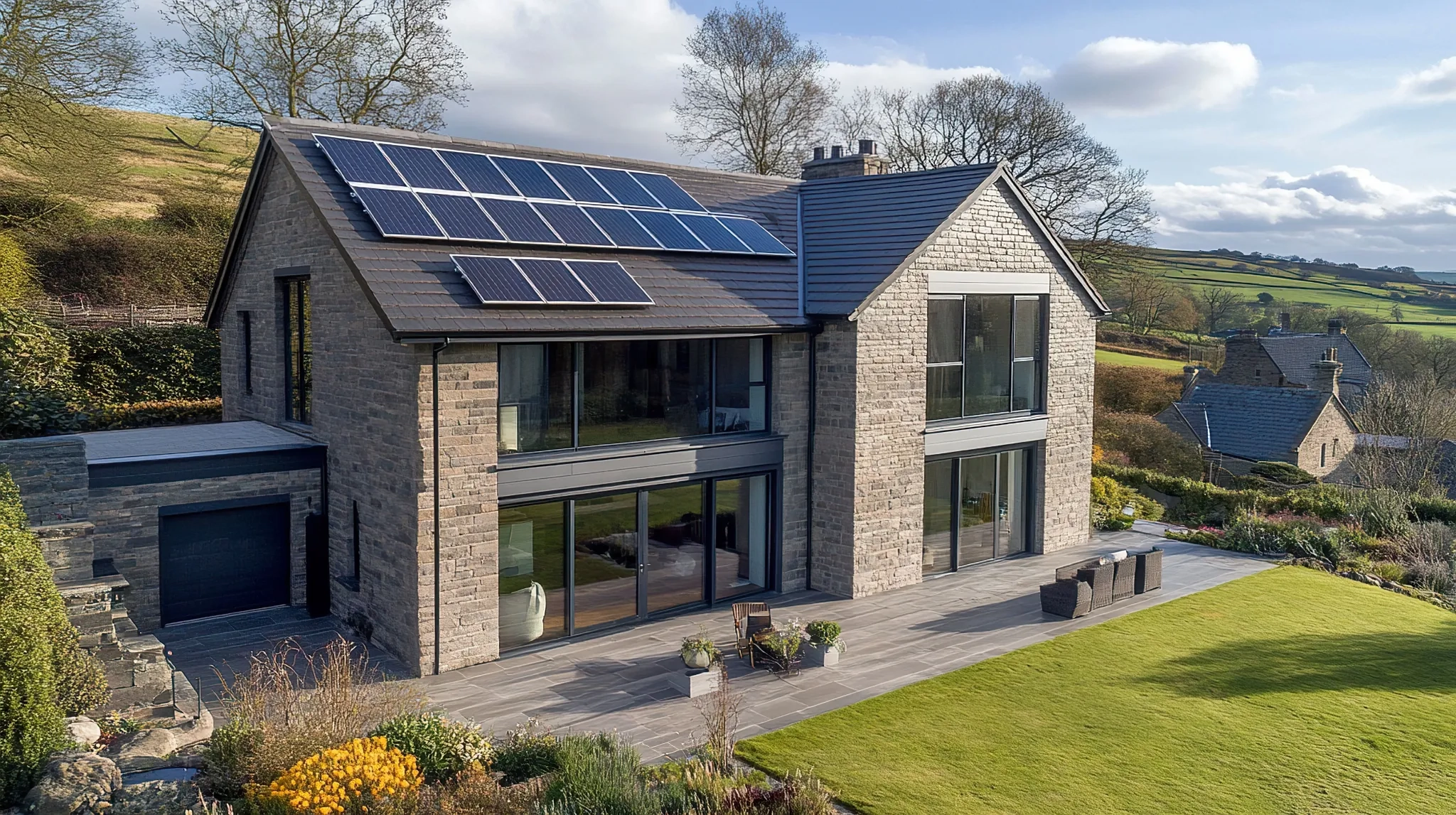
Planning permission is another important factor homeowners and developers should consider before installing solar panels.
Some residential solar installations may fall under permitted development rights, depending on the type of property, location and specifics of the proposal. However, this is not always the case.
Additional planning considerations may apply to listed buildings, conservation areas, rural sites, visually sensitive locations and large ground-mounted systems.
Commercial solar schemes and solar farms will typically involve much more detailed planning considerations due to scale, landscape impact and infrastructure requirements.
Seeking professional planning advice early in the process can help identify potential constraints before installation begins.
For more detailed guidance, see our related blog “Do Solar Panels Need Planning Permission in the UK?”
When Solar May NOT Be the Right Solution
Although solar panels can be highly beneficial for many properties, they are not automatically suitable for every site.
Heavily shaded roofs, poor roof orientation or unsuitable roof structures can significantly reduce performance. Heritage constraints may also limit what is achievable on listed buildings or within conservation areas.
In some cases, homeowners may focus too heavily on headline savings figures without considering the practical realities of the property itself.
A balanced, property-specific assessment is always important before making long-term investment decisions.
The Future of UK Homes
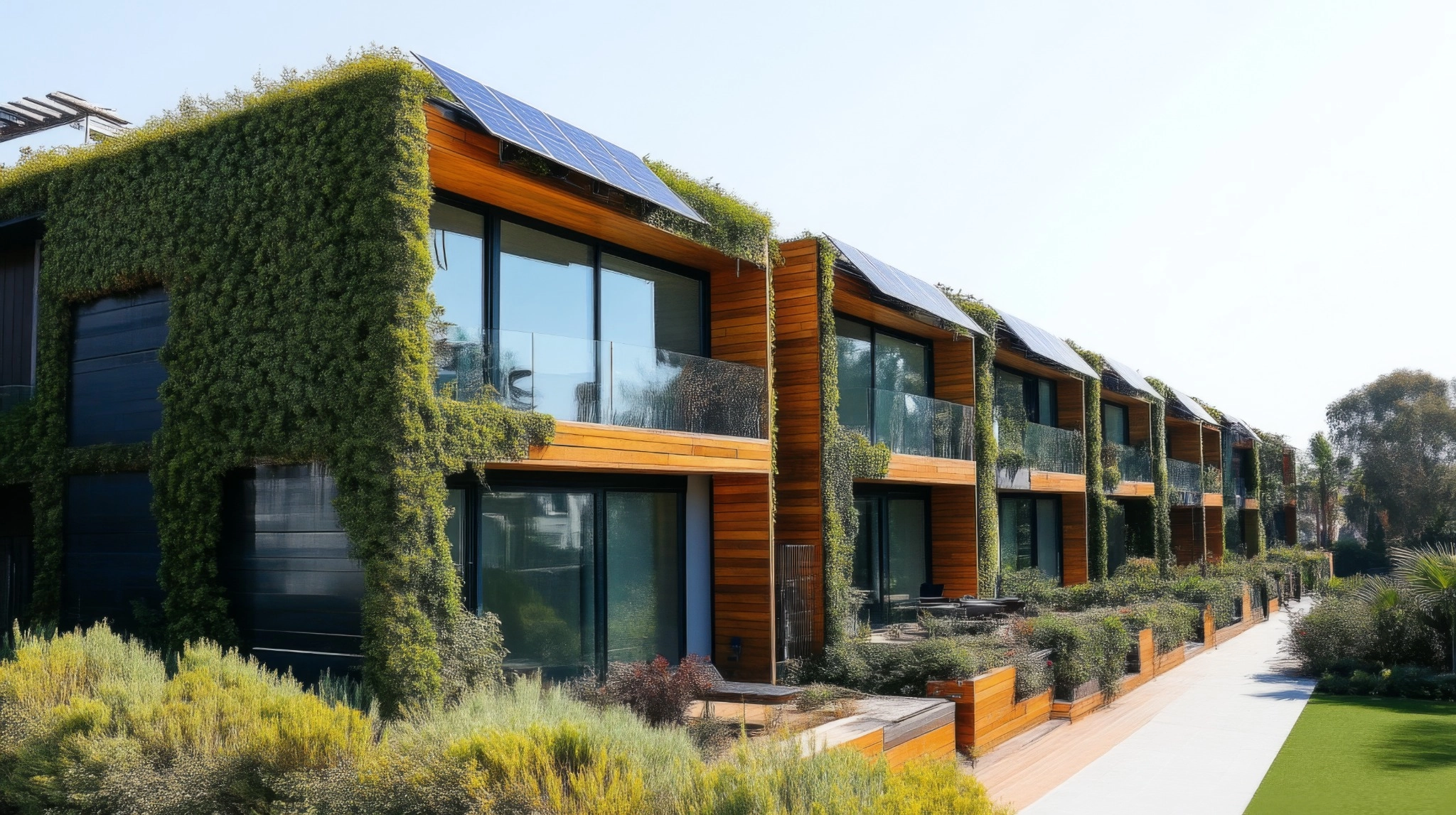
The wider direction of travel for UK housing is becoming increasingly clear.
Future homes are likely to place greater emphasis on energy efficiency, renewable technologies, EV charging, battery storage, smart energy systems and sustainable design.
Buyer expectations are changing too.
As energy costs remain a major concern, homes with strong EPC ratings and lower running costs may become increasingly desirable within the UK housing market.
Renewable energy systems such as solar panels are therefore becoming part of a much broader shift towards smarter homes, more resilient housing and future-focused property design.
While the UK is unlikely to become entirely solar-powered overnight, there are strong indications that solar adoption could increase substantially over the coming decade.
Final Thoughts
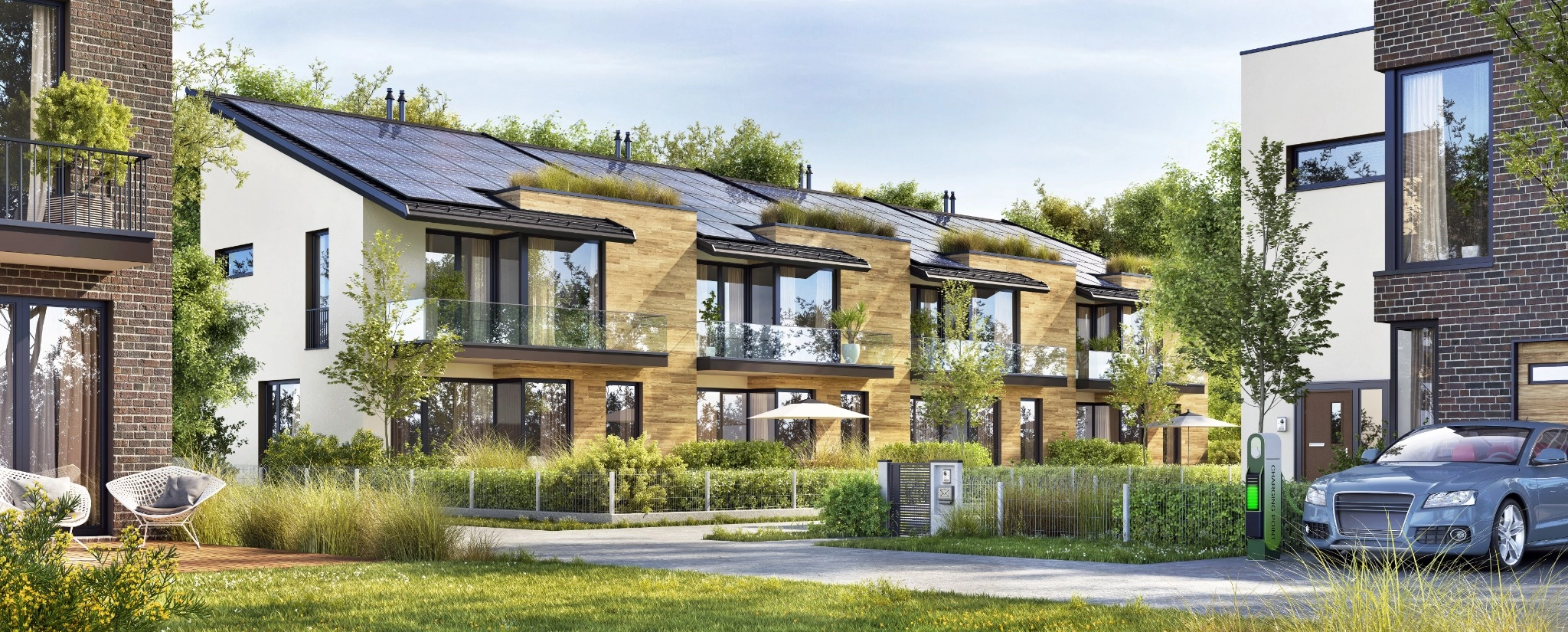
So, could AI, rising energy demand and increasing energy costs drive a solar boom in the UK?
Possibly and the conditions for growing adoption are already beginning to emerge.
As electricity demand increases, global energy markets remain uncertain and homeowners seek greater long-term resilience, renewable energy may become an increasingly important part of how UK properties are designed, upgraded and future-proofed.
At the same time, commercial solar infrastructure and renewable energy investment opportunities may continue to expand as pressure on energy systems grows.
While solar panels are not the right solution for every property, they are increasingly becoming part of a much larger conversation around the future of housing, sustainability and energy in the UK.
At Planning By Design, we help homeowners, developers and investors navigate the planning and design considerations associated with sustainable development and future-ready homes.
If you are considering solar panels, renewable energy projects or sustainable upgrades, contact Planning By Design for a free, no-obligation consultation.

A versatile and resilient Chartered MRTPI Town Planner with private and public sector experience. Aaron has a deep understanding of the planning process as both the applicant and local planning authority. Whether small scale residential or large scale commercial developments his expertise ensures the best advice and robust planning applications.
Need Planning Advice? Get a Free Consultation.
Contact UsGet a Free Instant Estimate!
Cost Calculator


