
Home » Blog » A Lawful Development Certificate
In this blog, we’ll explain when rendering the external walls of a house could be considered permitted development and when planning permission may be required.
Permitted Development Basics
Rendering the external walls of a house can often be considered permitted development meaning planning permission is not required. However, there are some important caveats, to be aware of to avoid falling foul of the most common permitted development mistakes. Only houses have permitted development rights but not all houses have permitted development rights. Flats, maisonettes, and commercial properties always need planning permission.
Planning Constraints
Planning constraints such as conservation areas, listed buildings, world heritage sites, areas of outstanding natural beauty, article 4 directions or even living under a flight path may limit or remove your permitted development rights. Any previous developments even by a previous owner a long time ago may have used some, or all of your Permitted Development rights, meaning planning permission IS required.
Planning policies are also ever-changing. Even if rendering the external walls of your house is permitted development today, the council can impose new planning constraints that remove your permitted development rights at any time in the future. This could result in a breach of planning, and risk enforcement action. If an enforcement notice is issued and retrospective planning permission is refused you would need to restore the property back to its original state.
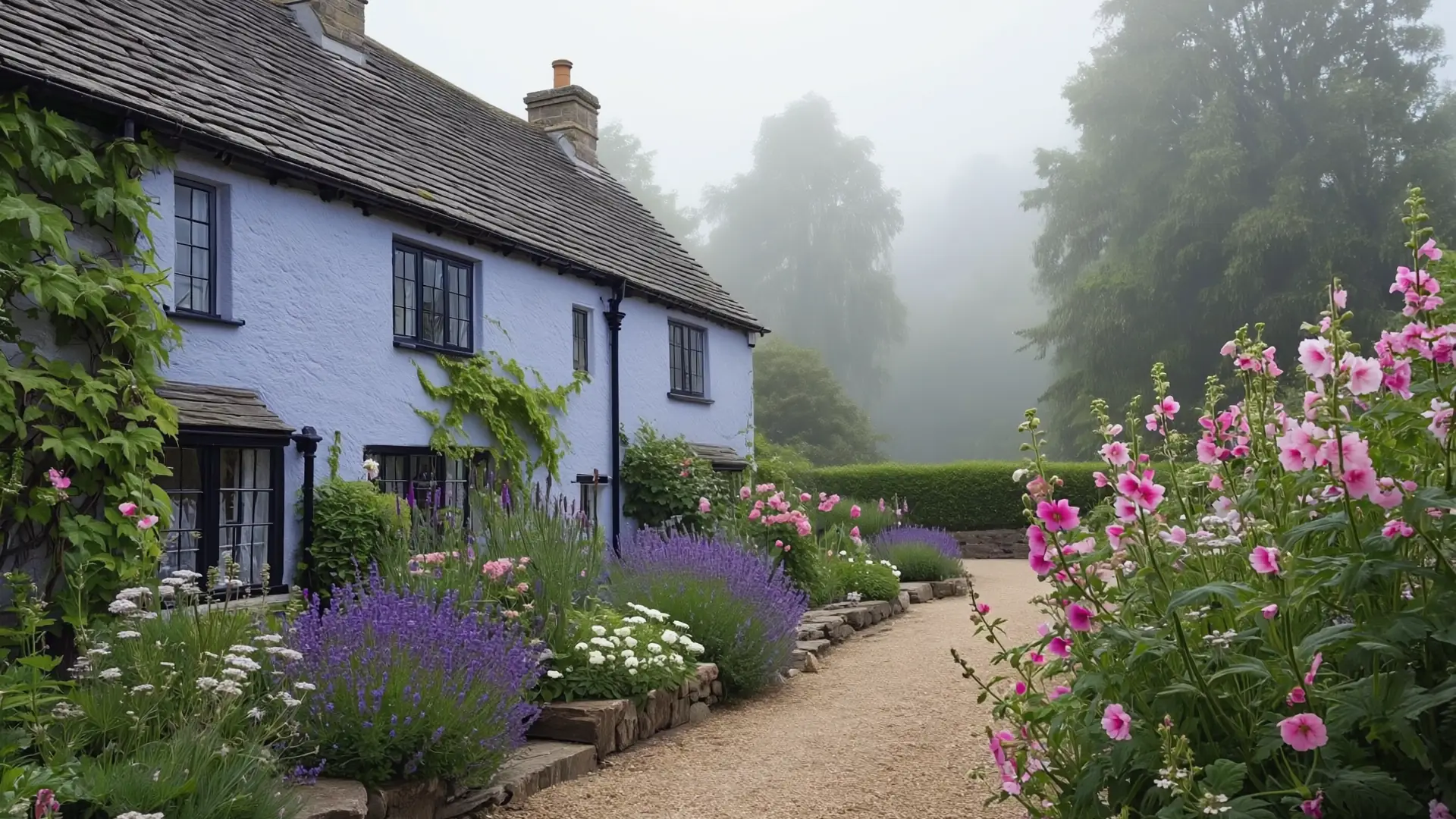
When Can Rendering the External Walls of a House Be Permitted Development?
If your house has Permitted Development Rights and there are no hidden constraints that have removed PD rights, rendering the external walls of your house may not require Planning Permission if ALL of the following apply:
- The materials used have a similar appearance to the existing finish.
- The proposed render does not significantly alter the external appearance or character of the property.
However, even if rendering the external walls of your house meets these criteria, you may still need planning permission.
For example, if there are hidden planning constraints or your permitted development rights have been used up by previous developments.
It is important to note that 20% of our planning applications are retrospective and 99% of these were sure they didn’t need planning permission but got it wrong.
With this in mind, it’s best to check with your local planning authority or a chartered town planner before commencing work to limit your risk and expense.
How to Find Out If You Need Planning Permission?
To find out if you need planning permission you have 2 options.
The first option is to submit a pre-application to your council.
This requires architectural drawings showing the property before and after the works, along with a detailed proposal explaining your plans and how they meet the relevant planning policies. A pre-app costs up to £600 and typically takes 5 to 8 weeks for a response, though it’s not a legal determination and doesn’t guarantee approval.
Alternatively, our town planners can provide a planning appraisal.
We check the same planning policies, planning history, and planning constraints as the council but without the need for architectural drawings or a detailed proposal. The advantage of a planning appraisal is you’ll get the answers you need within a day instead of waiting weeks.
A Lawful Development Certificate
For anything likely to be considered Permitted Development it is always recommended to obtain a Lawful Development Certificate before commencing any works. A Lawful Development Certificate is the only way to prove that your development is Permitted Development and does not need planning permission.
It is also often required when selling or remortgaging your property, to prove to buyers or lenders that all modifications are lawful. Without planning permission or a lawful development certificate rendering the external walls of your house may not increase the value of your property. By securing a Lawful Development Certificate, you’re investing in both the future security and potential value of your property.
If you’re considering rendering the external walls of your house and would like any help or advice contact us for a free no-obligation consultation.
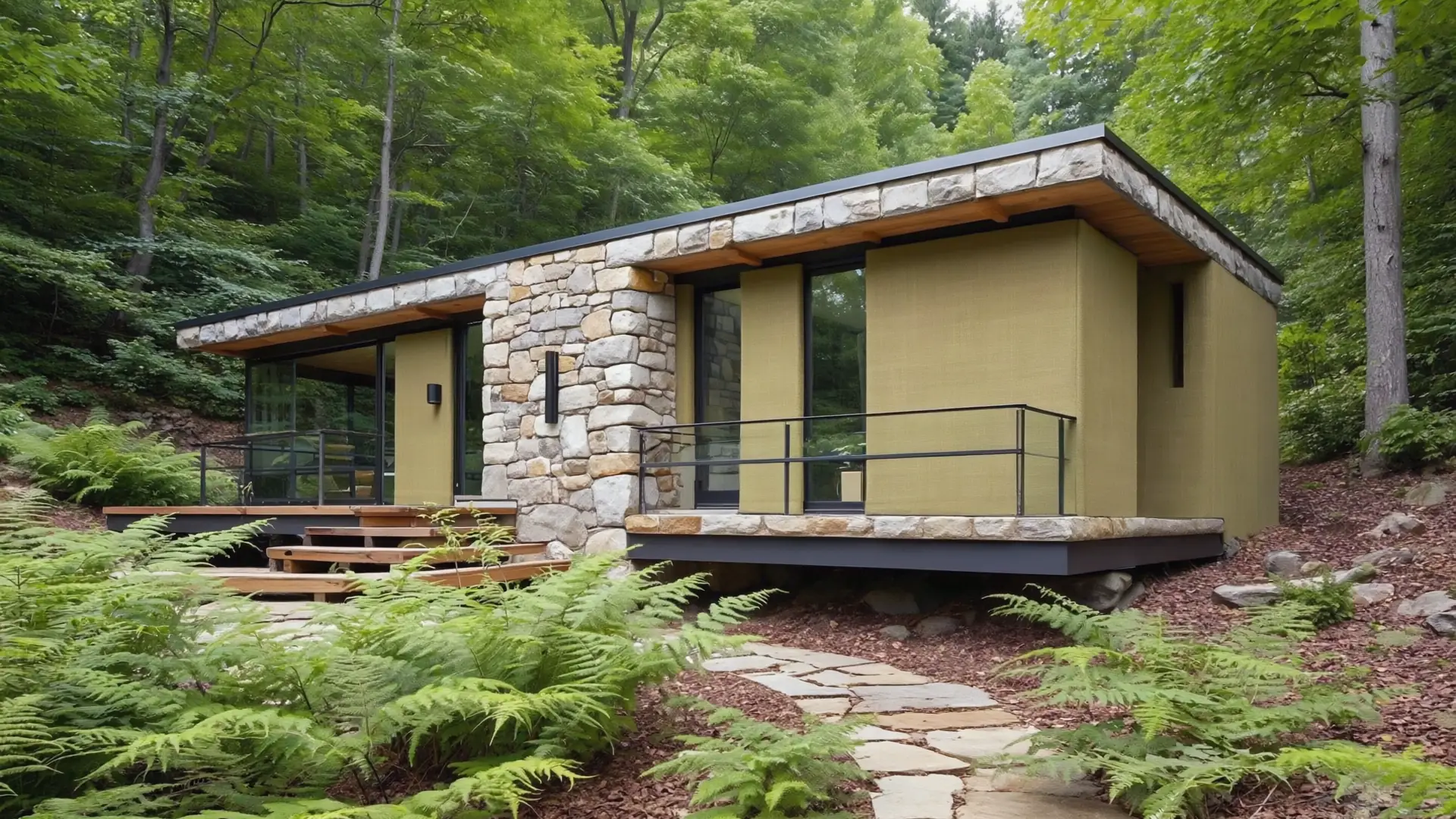
Rendering External Walls Permitted Development FAQs
Can rendering external walls be permitted development?
Yes, rendering the external walls of a house can sometimes be permitted development if the materials used are of a similar appearance to the existing finish and the works do not significantly alter the character of the property. However, permitted development rights do not apply to every property and may be restricted by planning constraints or conditions.
When does rendering external walls need planning permission?
Planning permission may be required if the render would significantly change the appearance of the property, use materials that are not similar to the existing finish, affect a listed building, or be carried out in a conservation area, National Park, World Heritage Site or other protected location.
Does render need to match the existing house?
For rendering to fall within permitted development, the materials should usually be similar in appearance to the existing external finish. A major change in colour, texture or material could be treated as a significant alteration and may require planning permission.
Do houses in conservation areas need planning permission for render?
Rendering in conservation areas, listed building settings, National Parks, World Heritage Sites or areas of outstanding natural beauty is more likely to need planning permission. These locations can restrict permitted development rights because changes to external appearance can affect local character and heritage value.
Do listed buildings need consent for external render?
Yes, listed buildings are likely to need listed building consent before external render is added, replaced or altered. Planning permission may also be required depending on the nature of the works and their impact on the building’s character and setting.
Can changing the colour of render need planning permission?
Changing the colour of render can require planning permission if it materially changes the appearance of the property, especially in sensitive or protected locations. Even where permission is not normally required, strong colour changes may still create planning risk if local restrictions apply.
Should I get a Lawful Development Certificate for rendering external walls?
Yes, it can be sensible to obtain a Lawful Development Certificate if you believe rendering the external walls is permitted development. This gives formal confirmation from the local planning authority that the works are lawful and can help when selling, remortgaging or responding to future enforcement concerns.
What happens if rendering is not permitted development?
If rendering external walls needed planning permission and was carried out without approval, the council may investigate and could take enforcement action. You may need to submit a retrospective planning application, alter the finish or restore the property to its previous appearance in serious cases.

A versatile and resilient Chartered MRTPI Town Planner with private and public sector experience. Aaron has a deep understanding of the planning process as both the applicant and local planning authority. Whether small scale residential or large scale commercial developments his expertise ensures the best advice and robust planning applications.
Need Planning Advice? Get a Free Consultation.
Contact UsGet a Free Instant Estimate!
Cost Calculator


