
Home » Blog » A Lawful Development Certificate
In this blog, we’ll explain when a barn conversion could be considered permitted development and when planning permission may be required.
Permitted Development Basics
A barn conversion can often be considered permitted development meaning planning permission is not required. However, there are some important caveats, to be aware of to avoid falling foul of the most common permitted development mistakes. Only houses have permitted development rights but not all houses have permitted development rights. Flats, maisonettes, and commercial properties always need planning permission.
Planning Constraints
Planning constraints such as conservation areas, listed buildings, world heritage sites, areas of outstanding natural beauty, article 4 directions or even living under a flight path may limit or remove your permitted development rights. Any previous developments even by a previous owner a long time ago may have used some, or all of your Permitted Development rights, meaning planning permission IS required.
Planning policies are also ever-changing. Even if your barn conversion is permitted development today, the council can impose new planning constraints that remove your permitted development rights at any time in the future. This could result in a breach of planning, and risk enforcement action. If an enforcement notice is issued and retrospective planning permission is refused you would need to restore the property back to its original state.
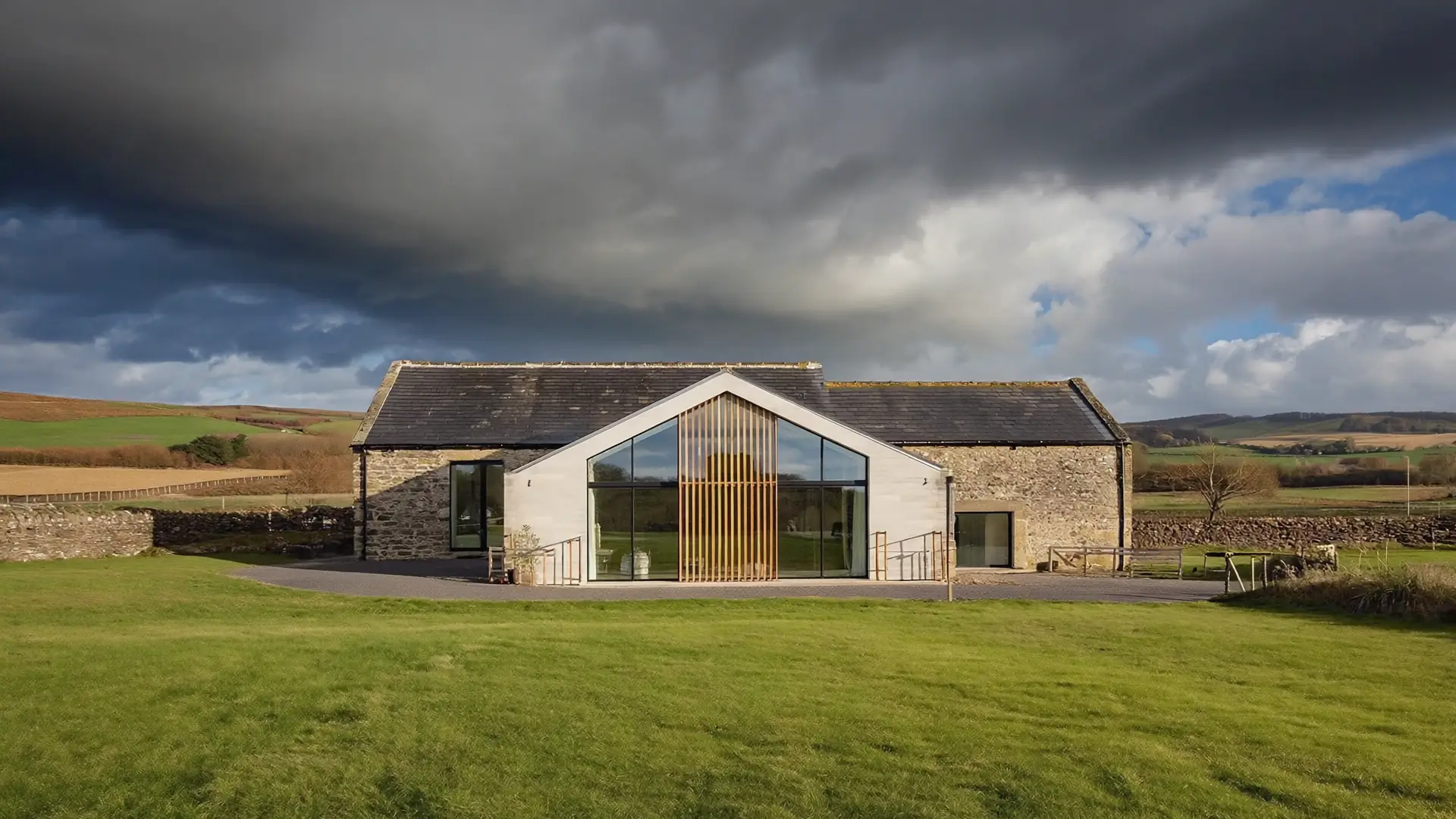
When Can A Barn Conversion Be Permitted Development?
Class Q allows certain Agricultural Buildings to be converted into ‘Residential Use’ without a Full Planning Application, although ‘Prior Approval’ is required.
- To qualify, the barn must have been in agricultural use by 24 July 2023 (or for at least ten years), be structurally sound, and not require major rebuilding.
- It is allowed to convert up to ten dwellings per site, with each home capped at one hundred and fifty square metres and a combined maximum of 1,000 square metres.
- The barn must already have access to a public road, and all rooms must receive natural light.
However, even if your barn conversion meets these criteria, you may still need planning permission.
For example, if there are hidden planning constraints or your permitted development rights have been used up by previous developments.
It is important to note that 20% of our planning applications are retrospective and 99% of these were sure they didn’t need planning permission but got it wrong.
With this in mind, it’s best to check with your local planning authority or a chartered town planner before commencing work to limit your risk and expense.
How to Find Out If You Need Planning Permission?
To find out if you need planning permission you have 2 options.
The first option is to submit a pre-application to your council.
This requires architectural drawings showing the property before and after the works, along with a detailed proposal explaining your plans and how they meet the relevant planning policies. A pre-app costs up to £600 and typically takes 5 to 8 weeks for a response, though it’s not a legal determination and doesn’t guarantee approval.
Alternatively, our town planners can provide a planning appraisal.
We check the same planning policies, planning history, and planning constraints as the council but without the need for architectural drawings or a detailed proposal. The advantage of a planning appraisal is you’ll get the answers you need within a day instead of waiting weeks.
A Lawful Development Certificate
For anything likely to be considered Permitted Development it is always recommended to obtain a Lawful Development Certificate before commencing any works. A Lawful Development Certificate is the only way to prove that your development is Permitted Development and does not need planning permission.
It is also often required when selling or remortgaging your property, to prove to buyers or lenders that all modifications are lawful. Without planning permission or a lawful development certificate your barn conversion may not increase the value of your property. By securing a Lawful Development Certificate, you’re investing in both the future security and potential value of your property.
If you’re considering a barn conversion and would like any help or advice contact us for a free no-obligation consultation.
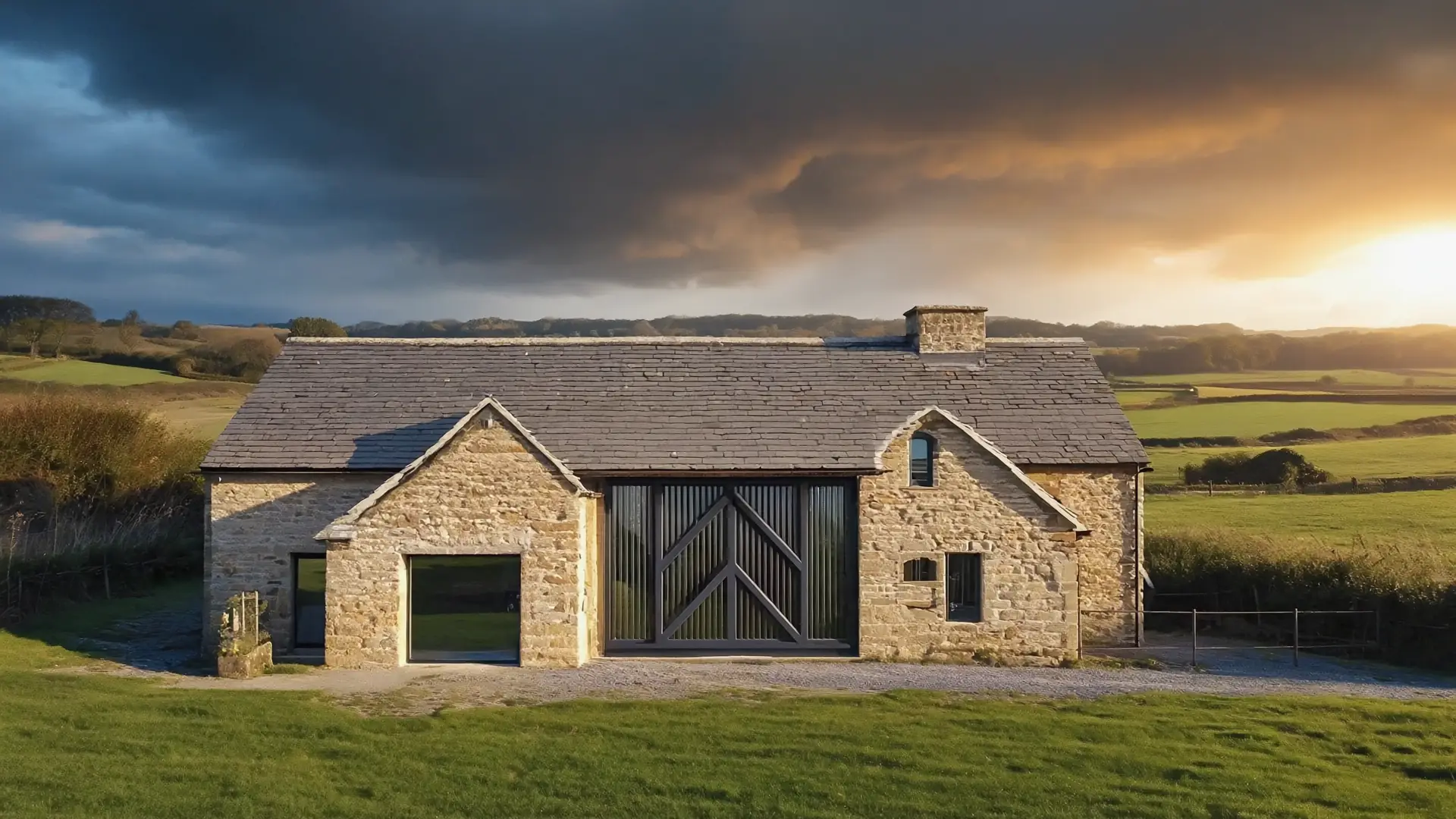
Barn Conversion Permitted Development FAQs
Can a barn conversion be permitted development?
Yes, a barn conversion can sometimes be permitted development under Class Q, which allows certain agricultural buildings to be converted into residential use. However, this is not the same as having automatic permission, as prior approval from the local planning authority is usually required before works can begin.
When does a barn conversion need planning permission?
Planning permission may be required if the building does not qualify under Class Q, was not in qualifying agricultural use, needs substantial rebuilding, exceeds the permitted size or dwelling limits, is in a restricted location, or fails the relevant prior approval requirements.
What is Class Q permitted development?
Class Q is a permitted development route that can allow certain agricultural buildings to change use to residential dwellings. It is subject to strict eligibility rules, including the previous agricultural use of the building, the number and size of dwellings proposed, structural suitability and prior approval matters.
Does a Class Q barn conversion need prior approval?
Yes, Class Q barn conversions normally require a prior approval application to the local planning authority. The council can assess matters such as transport, access, noise, contamination, flood risk, location, design, natural light and whether the building is suitable for conversion.
Can I rebuild a barn under Class Q?
Class Q is intended for the conversion of existing agricultural buildings, not complete rebuilding. Some works may be allowed where they are reasonably necessary for conversion, but proposals that require major reconstruction or effectively create a new building are more likely to need full planning permission.
How many homes can be created from a barn conversion under Class Q?
The number of dwellings allowed under Class Q depends on the current rules, the size of the building and the site circumstances. The proposal must stay within the relevant limits for the number of homes and total floorspace, and each dwelling must meet the applicable size and natural light requirements.
Should I get planning advice before applying for Class Q?
Yes, it is sensible to get planning advice before relying on Class Q permitted development. A planner can check the agricultural use history, site constraints, structural suitability, access, design risks and prior approval requirements before an application is submitted.
What happens if my barn conversion is not permitted development?
If a barn conversion does not qualify as permitted development and is carried out without the correct approval, the council may investigate and could take enforcement action. You may need to submit a full planning application, revise the scheme or restore the building or land in serious cases.

A versatile and resilient Chartered MRTPI Town Planner with private and public sector experience. Aaron has a deep understanding of the planning process as both the applicant and local planning authority. Whether small scale residential or large scale commercial developments his expertise ensures the best advice and robust planning applications.
Need Planning Advice? Get a Free Consultation.
Contact UsGet a Free Instant Estimate!
Cost Calculator


