MENU

Categories
Category:
Blog
Self-Build & Custom-Build in England: Why Councils Are More Supportive Today
19/11/2025 by Aaron Basi
Thinking about building a home you’ll live in yourself? The wind is finally at your back. In England, local planning authorities must keep a register of people seeking self-build or custom-build plots and then grant enough suitable permissions for serviced plots to meet that recorded demand, often called the Right to Build duty. It isn’t a guarantee for any single scheme, but it is a real material consideration. With the right site, the right route, and the right evidence, you’re no longer swimming against the current, you’re working with it.
Aaron Basi, Chartered Town Planner, Head of Town Planning, Planning by Design: “Policy is finally pointing in your direction. The opportunity is real, but only if your proposal is framed with the right route and the right evidence.”
Self-build, custom-build, and serviced plots
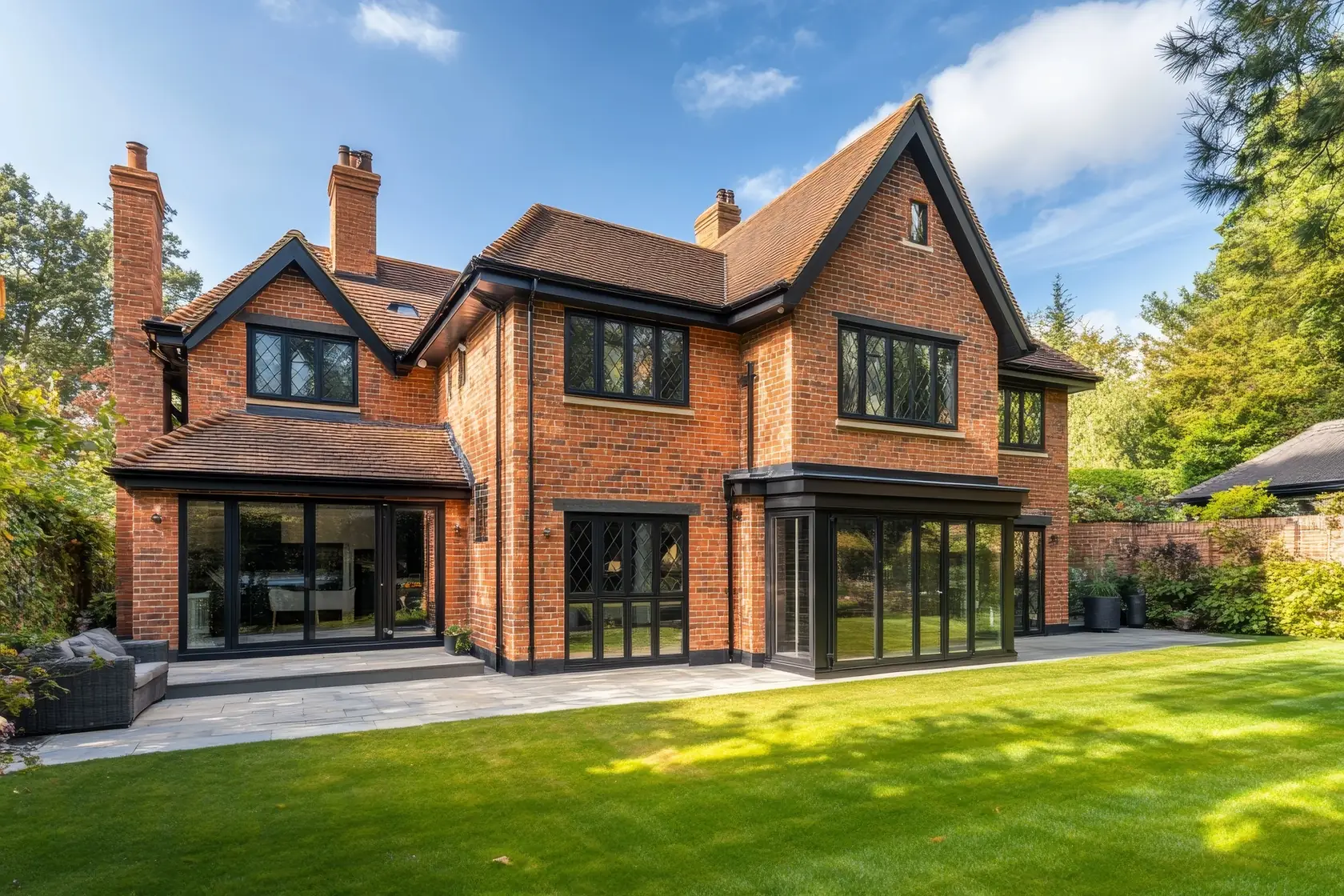
Why councils are warmer now

Two things changed the landscape. First, councils must keep the self/custom-build register. Second, and this is the kicker, they must permit enough suitable serviced plots within a set timeframe to match demand recorded in each base period. The National Planning Policy Framework (NPPF) also expects plans and decisions to account for this need, and several authorities now require a proportion of serviced plots on large sites. In practice, proposals that are technically sound, policy-aligned and demonstrably “serviced” start with a policy tailwind, not a headwind.
Picking the right route

Most single plots go through full planning with a robust suite of drawings and proportionate reports.
Aaron Basi, Chartered Town Planner, Head of Town Planning, Planning by Design: ” For many clients, a short pre-app is the best money they spend. It clarifies expectations, trims negotiation, and avoids preventable validation delays.”
Larger or multi-plot projects often use outline permission to agree principles before fixing details at reserved matters. Where you need an early read on developability, Permission in Principle (PiP) establishes the in-principle use, with technical detail signed off later.
Aaron Basi, Chartered Town Planner, Head of Town Planning, Planning by Design: “Permission in Principle is underrated. If principle is the real risk, PiP answers the big question early and lets you invest in detail with confidence.”
Whichever route you choose, a short pre-application engagement pays for itself by clarifying evidence expectations, shortening negotiation, and preventing validation stand-offs.
What ‘the right evidence’ really looks like
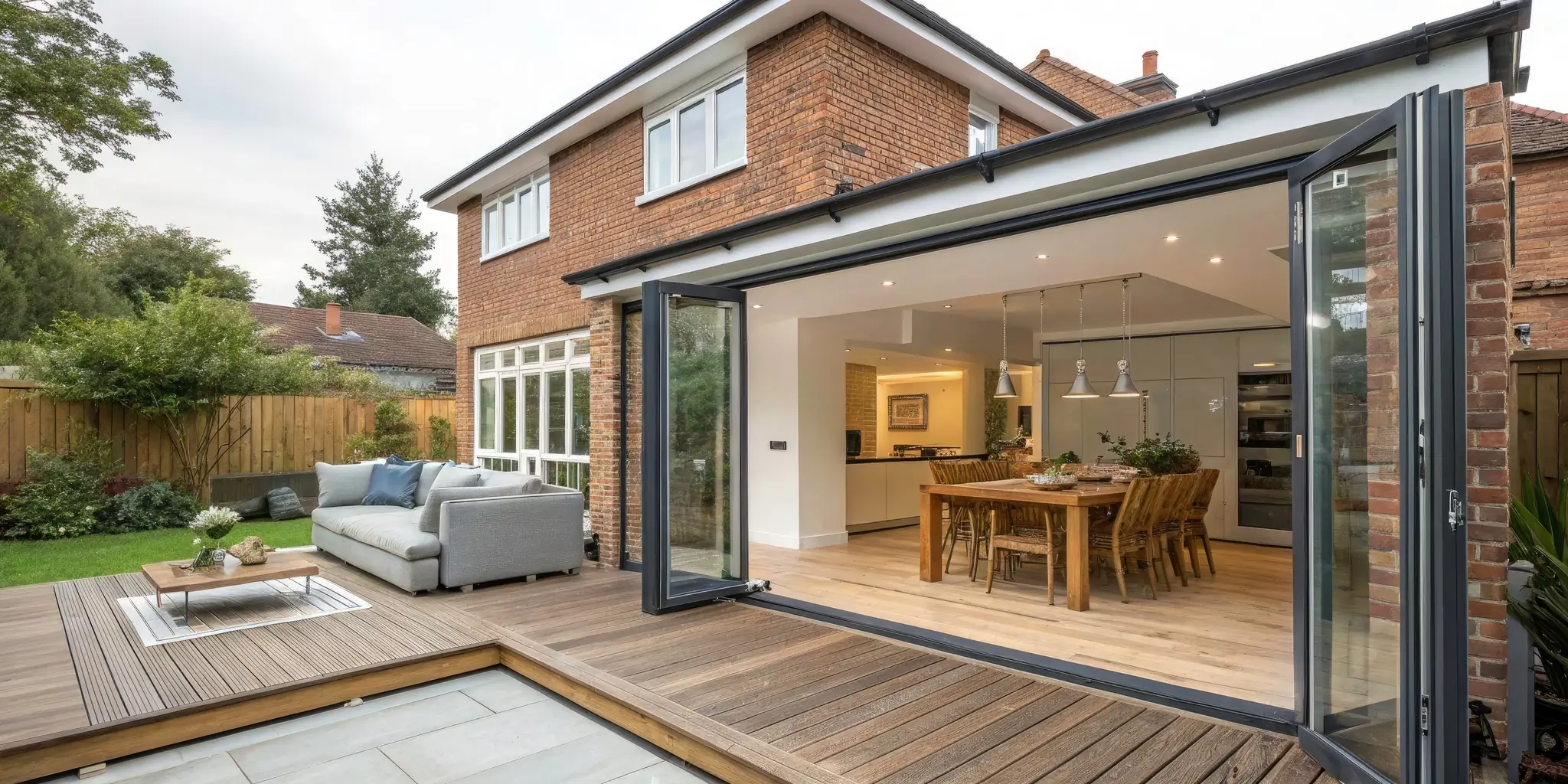
Think like a case officer reading a story. Begin with a succinct planning appraisal that positions your site in policy and place, how it fits settlement pattern, design codes and allocations, and what constraints apply. Your Design & Access Statement shouldn’t just recite drawings; it should show clearly why the scale, massing and materials make sense on this street, and how the home protects neighbour privacy and daylight. On movement, demonstrate safe access, practical parking and turning; if needed, include visibility splays and swept-path assessments. Add proportionate ecology and arboricultural baselines (plus biodiversity net gain implications), and if any part of the site is liable to flood risk, outline a sensible SuDS concept. Finally, explain utilities: a short note confirming feasible connections and capacity often makes or breaks the “serviced plot” argument. None of this is gold-plating; it’s the price of certainty.
Aaron Basi, Chartered Town Planner, Head of Town Planning, Planning by Design: “A case officer needs a clear story: why this site, why this form, and why impacts are acceptable. If your documents answer those three ‘whys’, you’re most of the way there.”
The common mistakes that trigger refusals and how to sidestep them

Most refusals aren’t about beauty, they’re about process gaps. Weak highway evidence sinks schemes that would otherwise sail through. Overlooking, overshadowing and overbearing massing create neighbour harm that’s hard to salvage late. Ignoring design codes makes a proposal read as out-of-place even when the architecture is attractive. The fix is methodical: test access early; model amenity impacts; let the local code shape heights, roof forms and materials; and send in a complete, proportionate technical pack on day one. If you’re proposing multiple custom-build plots, publish plot passports so officers can see a coherent place emerging while individual buyers retain meaningful choice.
Money, phasing and delivery

Costs tighten the moment access, utilities and drainage are locked in. Check CIL/S106 exposure and any reliefs at the outset, plan how you’ll discharge conditions (landscaping, materials, drainage, biodiversity) and coordinate your build system with lender and warranty requirements—especially for MMC. Custom-build enablers typically package this; self-builders assemble the same moving parts with a well-briefed team.
How Planning by Design improves your odds

At Planning by Design, chartered town planners work side-by-side with our architectural design team so strategy and drawings move in lockstep. We begin with a Right-to-Build-aware planning appraisal that tests policy fit and shows how your proposal responds to local demand, then recommend the smartest route—pre-application, full, outline, or Permission in Principle—based on risk, timelines, and evidence. From there, we craft designs that genuinely read to local design codes, and we assemble a clear, proportionate evidence pack covering access and highways, neighbour amenity, ecology/BNG, flood and SuDS, and utilities so the “serviced plot” case stands up.
Aaron Basi, Chartered Town Planner, Head of Town Planning, Planning by Design: : “Our job is to remove avoidable surprises. We front-load the evidence that actually moves decisions.”
During determination, we manage dialogue with the LPA, negotiate calmly, and make targeted revisions that move the needle. If conditions need careful handling—or an appeal is warranted—we set out the options and keep momentum. For multi-plot custom-build sites, we create plot passports and enabling-works strategies that prove serviced-plot delivery and keep individuality within a coherent place framework.
Contact Planning by Design today for a free, no-obligation consultation. Our award-winning team combines planning expertise with architectural design, guiding projects from initial appraisal through to building regulations and construction packs with uncompromising attention to compliance, quality, and buildability.
FAQs

Do councils have to approve my exact proposal? No. The duty is to grant enough suitable permissions for serviced plots overall, not to approve any single scheme. But it’s a real material consideration that can support a well-prepared application.
What exactly is a serviced plot?
A plot with (or realistically capable of) highway access and utility capacity for water, electricity and wastewater, with local specifics defined by guidance or SPDs.
Is there a timetable for councils to meet demand?
Yes. Regulations give authorities a three-year period (from the end of each base period) to permission enough serviced plots to match the register.
Can councils require self/custom-build on large sites?
Many do. Local plan policies and SPDs increasingly secure a percentage of serviced plots on big schemes to meet Right-to-Build demand.
Where does Permission in Principle fit?
PiP lets you establish the principle of housing early, then secure the actual permission through Technical Details Consent once design and technical matters are fixed.
What exactly is a serviced plot?
A plot with (or realistically capable of) highway access and utility capacity for water, electricity and wastewater, with local specifics defined by guidance or SPDs.
Is there a timetable for councils to meet demand?
Yes. Regulations give authorities a three-year period (from the end of each base period) to permission enough serviced plots to match the register.
Can councils require self/custom-build on large sites?
Many do. Local plan policies and SPDs increasingly secure a percentage of serviced plots on big schemes to meet Right-to-Build demand.
Where does Permission in Principle fit?
PiP lets you establish the principle of housing early, then secure the actual permission through Technical Details Consent once design and technical matters are fixed.

Author Aaron Basi HEAD OF TOWN PLANNING
A versatile and resilient Chartered MRTPI Town Planner with private and public sector experience. Aaron has a deep understanding of the planning process as both the applicant and local planning authority. Whether small scale residential or large scale commercial developments his expertise ensures the best advice and robust planning applications.
Need Planning Advice? Get a Free Consultation.
Contact UsGet a Free Instant Estimate!
Cost Calculator


