MENU

Categories
Category:
Pro Tips
How to Maximise the Development Potential of a Site
Maximising the development potential of a site is about achieving the best realistic outcome, not simply drawing the largest possible scheme. The most valuable projects are usually the ones that are policy-led, well-designed, and genuinely deliverable. That applies whether you’re a homeowner exploring an extension, an investor looking for planning gain, for example, converting a house into flats, adding an extra unit, or changing the use or a developer seeking planning uplift. “Potential” only becomes real when it can stand up to local planning policy, respond properly to site constraints, and be constructed in a compliant and cost-effective way.
This guide explains how professionals approach site potential in the UK and why getting the right advice early can help you avoid expensive redesigns, reduce risk, and move forward faster with confidence. Planning is devolved across the UK, so policies and terminology vary between England, Scotland, Wales and Northern Ireland. In general, however, the core principles remain consistent: planning decisions are shaped by the development plan and relevant considerations, and the strength of your proposal depends on how well it responds to local policy, character, and constraints.
What “development potential” really means

When people talk about “maximising” development potential, they often think of increasing floorspace or adding units. That can be part of it, but true maximisation is more balanced. In many cases, the scheme that delivers the best return isn’t the one that pushes the boundary hardest, it’s the one that is acceptable in planning terms, works well for end users, and can be delivered without unforeseen constraints emerging later in the process.
Development potential therefore, includes not only size and capacity, but also planning risk, saleability, and practical delivery constraints. A small adjustment to massing, access, or amenity can be the difference between a smooth approval and a refusal that costs months and forces a redesign.
Why site potential is commonly overestimated
A site can look straightforward on first inspection and still carry constraints that quietly cap what’s possible. Some issues are obvious, such as tight access, neighbouring windows, or steep changes in levels. Others are hidden until you check the planning history and policy framework, such as restrictive local plan policies, conservation area considerations, heritage settings, flood risk, ecology requirements, or conditions attached to previous permissions.
This is why experienced professionals rarely treat a site like a blank canvas. Instead, they treat it like a puzzle: you can unlock significant value, but only by understanding the rules of the location first.
Start with a planning-first strategy

One of the most costly mistakes people make is paying for drawings before they have a clear planning strategy. A planning-first approach starts with a simple but crucial question: what form of development is most defensible on this site, in this area, under this authority’s expectations?
That might mean testing whether the best outcome is an extension, a loft conversion, a conversion to flats, a new-build plot, or a modest intensification rather than a high-risk scheme. Once that direction is clear, design work becomes far more efficient and far less risky, because you’re designing toward a realistic outcome rather than hoping the council can be persuaded later.
Incorporate pre-planning advice early to strengthen your strategy

In practice, you have two common routes. The first is a council pre-application submission. Councils typically expect a clear proposal supported by drawings (such as plans and elevations) and a written planning proposal, and the response timeframe is often in the region of 4 to 8 weeks (sometimes longer depending on backlogs and whether the service is available).
Importantly, a pre-app response does not grant approval , it provides written guidance on whether permission is likely to be required, what supporting information may be needed, and an indication of whether the proposal is likely to be acceptable in principle.
The second route is a planning appraisal carried out by an RTPI-accredited town planner. As you explain on your page, the appraisal approach involves the same fundamentals councils assess — relevant policies, planning history, and site constraints, but without requiring you to commission a full set of drawings just to get an initial steer, and it can provide clarity much faster.
A good pre-planning step also helps you set a clear strategy and often a Plan B, so you move into design with far more confidence.
Run a proper constraints review early

If you want to maximise potential, a lot of value is created (or lost) before design begins. A constraints review typically combines policy checks, mapping, site context, and planning history. It should include recent nearby applications — approvals and refusals — because refusal reasons often repeat locally and tell you exactly where schemes go wrong.
It should also consider constraints that commonly change a scheme’s form, evidence requirements, and cost/time implications, such as access and highways practicality, neighbour amenity, heritage sensitivity, flood/drainage, ecology, and trees.
When this work is done properly, you don’t just learn what you can’t do, you learn what you can do confidently, and where the realistic uplift is.
Learn from what has already been approved nearby

Planning policy matters, but so does how it’s being applied in your area. Reviewing comparable approvals can reveal what scale, roof forms, parking arrangements, and layouts the council has accepted recently. Reviewing refusals is just as valuable, because patterns often repeat. If several refusals cite bulk, overdevelopment, overlooking, lack of parking, or poor design response, you can address those issues at concept stage instead of being forced into a redesign later.
This is also where a professional planning team adds value: not just reading policy, but understanding how it’s being interpreted and shaping a strategy that aligns with real decision-making.
Choose the right route: full planning, permitted development, or something else

In some situations, a lawful development certificate can be valuable to confirm that a proposal is lawful under permitted development rights. This can reduce uncertainty and protect your position, particularly for homeowners and investors who want clarity before spending on construction.
Professionals often set a Plan A and Plan B early. Plan A aims for the best realistic outcome; Plan B protects momentum if the authority pushes back. This can preserve value by preventing the project from stalling when one approach becomes difficult.
Design for approval and value, not just maximum size
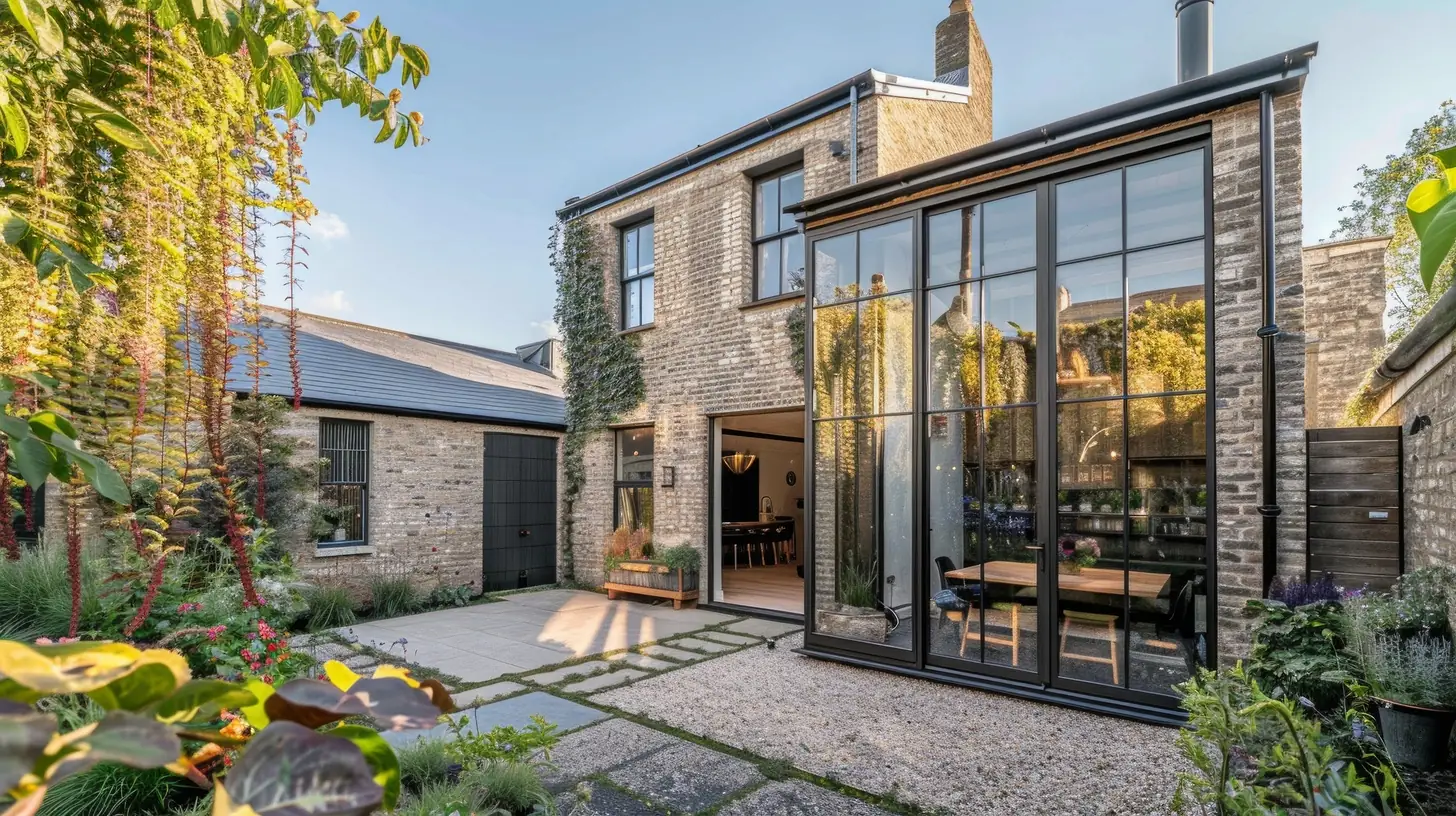
Once the strategy is clear, design becomes the tool that earns planning support. The strongest schemes usually respond convincingly to local character and produce practical, liveable outcomes. Councils frequently refuse proposals that feel bulky, out of keeping, or harmful to neighbour amenity — and these issues are often predictable from day one.
Smart maximisation tends to focus on massing, proportion, layout, and detailing rather than simply pushing every boundary. A roof form can reduce perceived scale. A set-back can solve a character concern without killing value. A privacy-led window strategy can reduce objections. Getting access, refuse, and cycle storage right can prevent “small” technical issues from undermining an otherwise solid scheme.
In other words, the “maximum” scheme is often the one that a decision maker can say yes to comfortably.
Don’t leave building regulations until the end
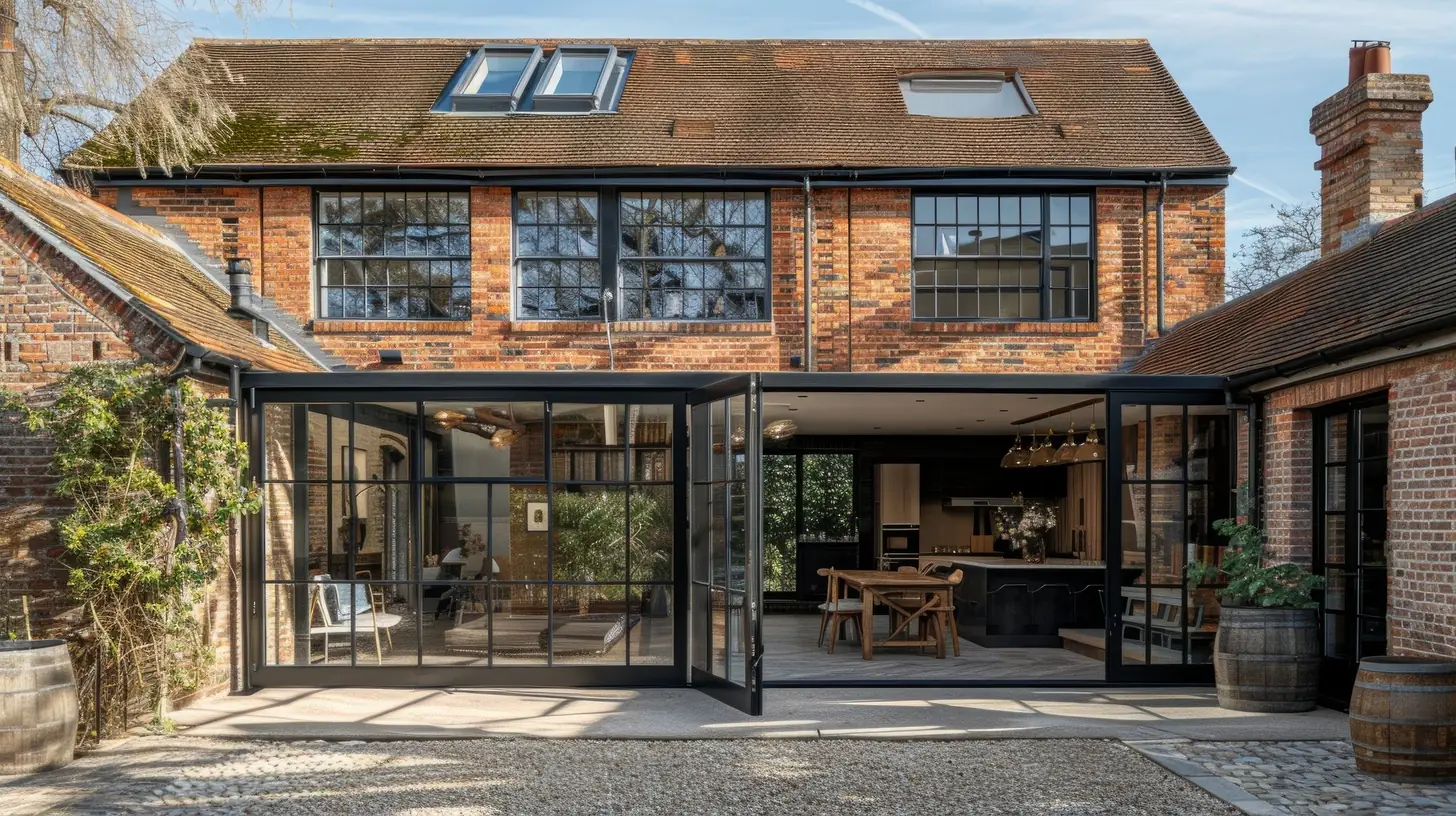
A major hidden risk is designing solely for planning and later discovering building regulations issues that force significant changes. This commonly happens with lofts, flat conversions, and complex extensions, where stair geometry, headroom, fire safety approach, structure, sound insulation and thermal performance can reshape the design.
Considering building regulations and buildability early usually produces a smoother, cheaper delivery. It reduces late redesign and improves the chance that what gets approved is aligned with what can be built efficiently and compliantly.
Pro tips from Aaron Basi, Head of Town Planning
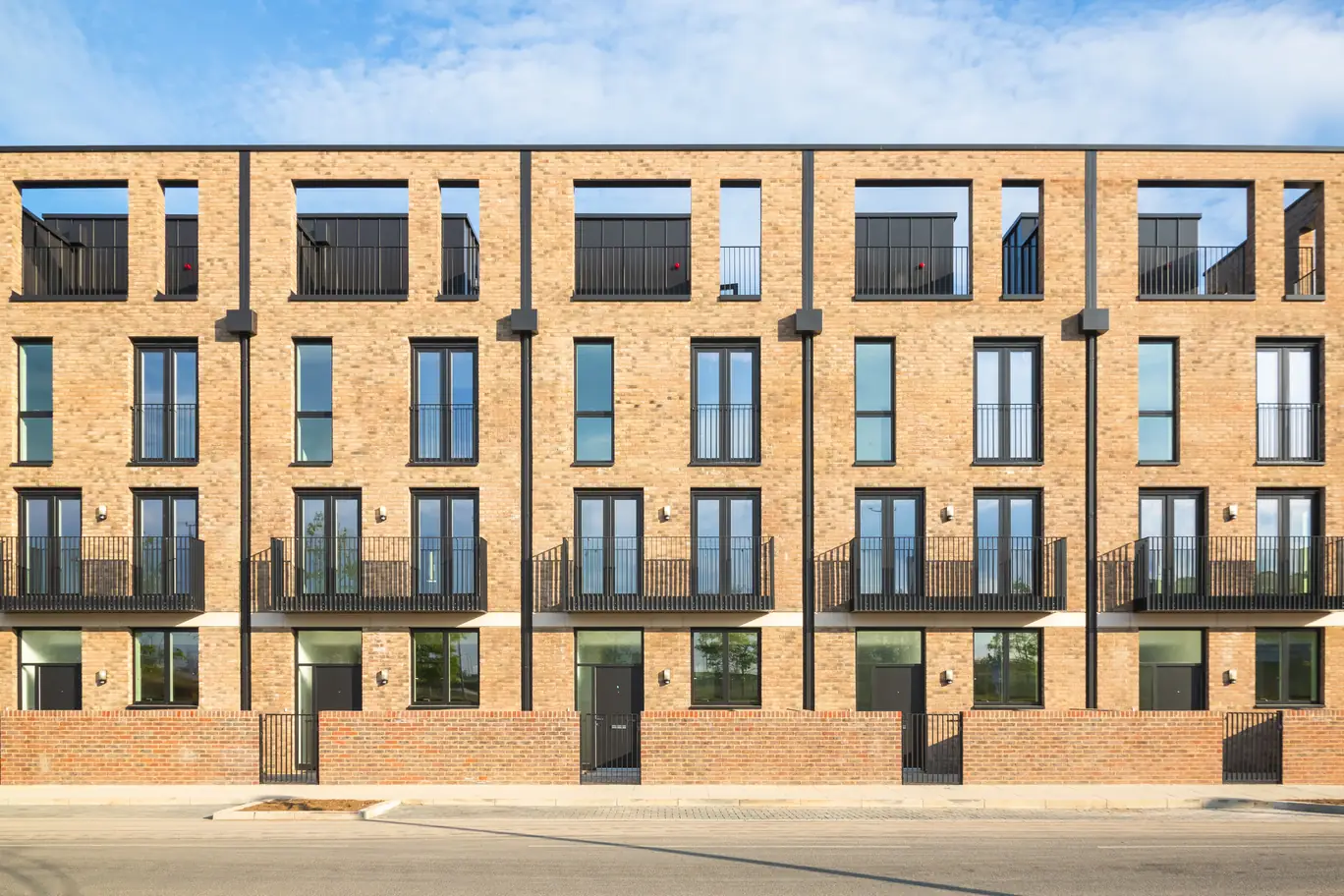
He would also typically stress the value of studying refusals, not just approvals. Refusal reasons often repeat locally and reveal what decision-makers are sensitive to. If bulk, overdevelopment, overlooking, parking stress, or poor design response comes up again and again, the smart move is to address those issues in the concept and layout from the outset, rather than pushing the maximum envelope and hoping the planning statement “argues it through.”
Another theme Aaron would usually reinforce is that constraints are where “potential” quietly disappears. Access, visibility, turning, servicing, and amenity impacts are common deal-breakers that can be identified early. The best schemes anticipate objections before they happen, rather than reacting once neighbours or the case officer raise concerns.
Finally, he would typically advise building a Plan A and Plan B early and linking planning, design and building regs thinking from the start. A scheme that looks good on planning drawings but needs major redesign to meet technical requirements isn’t truly maximised; the strongest outcomes are the ones that are coherent, defensible and deliverable as a joined-up solution.
Why expert guidance helps you progress with greater confidence

Professionals also bring the benefit of experience: knowing what evidence is commonly expected, how councils tend to assess impacts, and how to present a proposal clearly so it’s easier for decision makers to support. That doesn’t guarantee an approval, but it does improve the strength and readiness of the submission.
Conclusion: maximise value through evidence-led decisions, not assumptions

The simplest way to think about maximising development potential is this: the best outcome is the one that is realistic, policy-aligned, and deliverable, because that is what protects value and keeps momentum. Bigger isn’t always better. If a scheme pushes too hard against policy or constraints, the cost of refusal, redesign, delay and uncertainty can quickly outweigh any theoretical uplift.
In most projects, the “maximisation” work happens early. It comes from a clear planning strategy, a proper constraints review, and a design that responds to local context and avoids predictable refusal triggers. When planning, design and building regulations are aligned from the start, you reduce rework, improve decision-making, and move forward with far more certainty.
If you’re considering a site and want to understand what’s realistically achievable, a sensible next step is to start with pre-planning advice either through a council pre-application route or a professional planning appraisal that tests policy, history and constraints before you invest in full drawings.
If you’d like a clear route forward, Planning By Design can support you from feasibility through to planning, architectural design and building regulations, with a coordinated approach that focuses on value, risk management and deliverability. Contact Planning by Design today for a free, no-obligation consultation.

A versatile and resilient Chartered MRTPI Town Planner with private and public sector experience. Aaron has a deep understanding of the planning process as both the applicant and local planning authority. Whether small scale residential or large scale commercial developments his expertise ensures the best advice and robust planning applications.
Need Planning Advice? Get a Free Consultation.
Contact UsGet a Free Instant Estimate!
Cost Calculator


