
Introduction
For many landowners and investors, the goal is simple: increase the value of a site and unlock its full potential. Traditionally, that has meant building. But in 2026, there is a more strategic approach.
Creating planning gain, the uplift in land value achieved through planning permission, does not always require construction. In fact, for many, the smartest move is to secure planning approval and sell at the right moment.
Whether you are looking to sell land with planning permission or buy land with planning permission in the UK, understanding how to approach planning strategically can save time, reduce risk, and maximise returns. In a market shaped by rising construction costs, tighter margins, and increasing planning uncertainty, taking the right approach at the right time has never been more important. The real question is often not how to build, but whether you should build at all.
What Is Planning Gain?
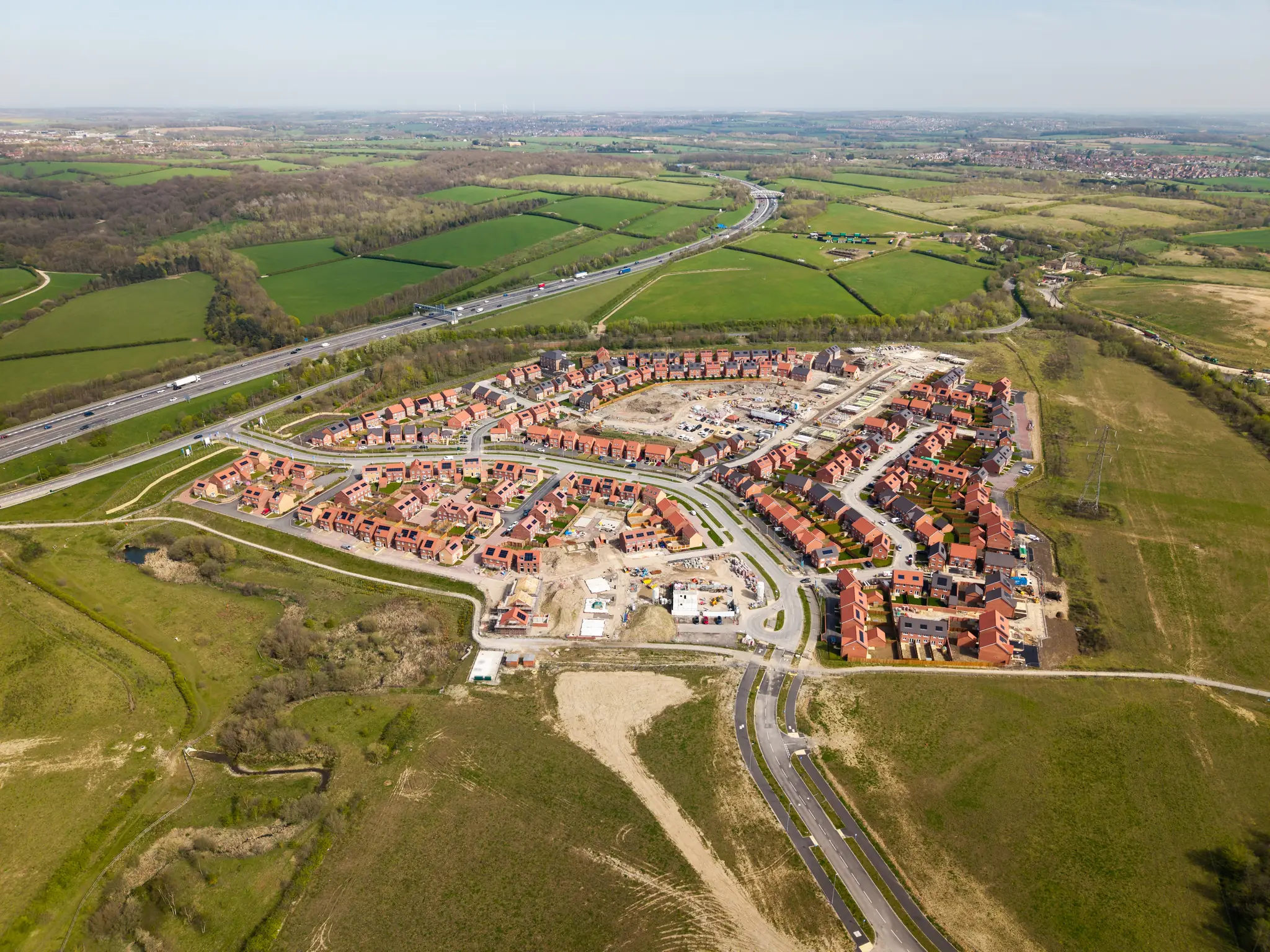
Planning gain refers to the increase in a site’s value once planning permission is granted or a positive pre-application response is secured.
In simple terms:
- Land without planning may have limited value
- Land with planning permission becomes significantly more valuable
For example, a plot worth £100,000 without permission could be worth £200,000 or more once residential development is approved. The uplift depends on location, scale, and type of development.
This increase in value is what makes planning permission in the UK such a powerful tool for landowners and developers.
Why Building Is Not Always the Best Option

It is a common assumption that the only way to realise value from land is to build on it. However, this approach is not always the most efficient or the least risky.
Construction introduces:
- Significant upfront capital costs
- Project management complexity
- Exposure to market fluctuations
- Delays caused by contractors, materials, or regulation
For many landowners, especially those without development experience, these factors can erode profit margins and increase stress.
By contrast, securing planning permission and selling the site allows you to capture planning gain without taking on the financial and operational burden of development.
Aaron Basi, Head of Town Planning, explains:
“Value is not always realised through construction. In many cases, the most effective strategy is to exit at the right stage in the planning process, once risk has been reduced but before costs escalate.”
The Risks of Pursuing Planning Permission
While planning gain can be substantial, it is important to recognise that planning permission is never guaranteed.
Refusal Risk
Planning applications can be refused for a range of reasons:
- Local policy constraints
- Design concerns
- Highways or environmental issues
- Neighbour objections
A refusal can reduce the perceived value of a site and make future applications more challenging.
Cost and Time
Applying for planning permission in the UK involves:
- Professional fees (planning consultants, architects, surveys)
- Application fees
- Time delays, often several months
In some cases, appeals or revisions may be required, adding further cost and uncertainty.
Aaron Basi adds:
“Planning approval is never guaranteed. The difference between success and unnecessary cost often comes down to strategy understanding the site, the risks, and the most appropriate route before committing significant time and money.”
A Smarter Approach to Planning Gain
Selling Land with Planning Permission
If you are a landowner, securing planning approval (or even a positive pre-app) can significantly increase your site’s value before sale.
- Demonstrate development potential to buyers
- Achieve a higher sale price
- Avoid construction risk entirely
Buying Land with Planning Permission
For buyers, acquiring land where planning is already in place offers a clear advantage.
- Reduced uncertainty
- Faster project timelines
- Greater confidence in viability
Reducing Risk When Buying Without Planning Permission
Purchasing land or property without planning permission particularly at auction can carry significant risk.
Without consent in place, there is no guarantee that development will be approved. Buyers may commit capital to a site that ultimately proves unviable.
A Planning Appraisal (PA) can provide a rapid assessment of a site’s potential. While pre-application submissions can offer more detailed feedback, they often take 5–8 weeks or longer.
In some cases, buyers can also structure offers subject to planning approval, limiting financial exposure.
Introducing The Planning By Design Marketplace

The Planning By Design Marketplace directly addresses one of the biggest challenges in the market today: connecting sellers who have secured planning (or positive pre-apps) with buyers actively looking for those opportunities.
This removes the need for buyers to take unnecessary planning risk and allows sellers to reach a targeted audience more effectively.
- Discover sites with planning permission or positive pre-apps
- List land to reach a targeted audience of buyers
- Compare opportunities based on planning status and potential
Rather than relying on fragmented information, the marketplace brings together curated opportunities in one place.
Conclusion
Creating planning gain is one of the most effective ways to unlock value from land, but building is not the only path.
By focusing on planning strategy rather than construction, landowners can increase site value, reduce financial risk, and avoid unnecessary complexity.
At the same time, buyers can access opportunities where planning has already been secured, saving time and improving certainty.
In 2026, the smartest approach is not simply to build, it is to understand when to stop at planning.
If you need clarity on the planning potential of a site or the right strategy to move forward, contact Planning By Design for a free, no-obligation consultation.
And discover a smarter way to approach planning in 2026.

A versatile and resilient Chartered MRTPI Town Planner with private and public sector experience. Aaron has a deep understanding of the planning process as both the applicant and local planning authority. Whether small scale residential or large scale commercial developments his expertise ensures the best advice and robust planning applications.
Need Planning Advice? Get a Free Consultation.
Contact UsGet a Free Instant Estimate!
Cost Calculator


