
Categories
Category:
Blog
Green Belt Planning Permission: A Basildon Case Study
At Planning By Design, we specialise in providing expert planning advice and managing planning applications for complex and constrained sites. With over 900 successful approvals in our portfolio, we bring a detailed understanding of planning policy and, importantly, how to apply it effectively to achieve positive outcomes.
This case study illustrates how a carefully considered planning strategy, supported by pre-application discussions with the local planning authority and a robust, policy-led approach, resulted in planning permission being granted for a self-build home within the Green Belt.
Project Overview
Planning permission was granted by Basildon Borough Council on 6 March 2026 for a single-storey self-build bungalow.
This project demonstrates how constrained Green Belt sites can be successfully brought forward through a considered and strategic approach.
You can view the project below, including architectural drawings, feasibility report, the planning statement, and the approval letter.
Understanding the Planning Context
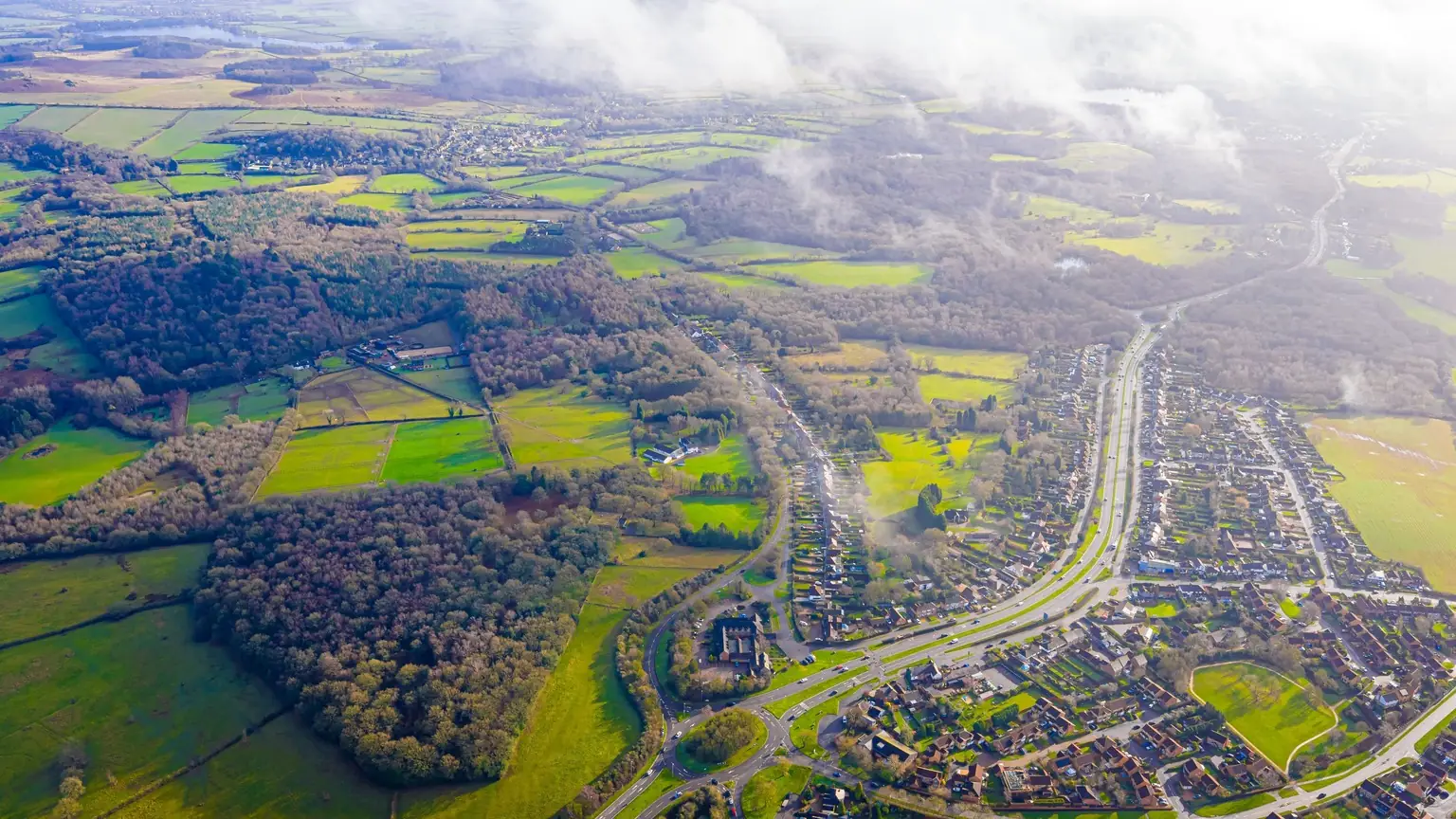
New residential development within the Green Belt is generally classified as inappropriate development and is typically resisted unless specific policy criteria are satisfied.
In this case, the strategy focused on applying the updated Grey Belt provisions within the NPPF (2024), a key evolution in national planning policy that allows certain sites to be assessed more flexibly where they do not strongly contribute to the fundamental purposes of the Green Belt.
A Site with Clear but Underutilised Potential
Although designated as Green Belt, the site does not represent open, undeveloped countryside. Instead, it forms part of a dispersed cluster of residential properties, characterised by individual dwellings set within generous plots, alongside areas of woodland and paddocks.
The site comprised grassland, areas of hardstanding, and a small log cabin, which was removed as part of the proposal.
This context was central to the planning case. The site was not isolated, but part of an established pattern of development, supporting the argument that it could accommodate a modest form of infill without undermining the wider Green Belt.
Refining the Proposal Through Pre-Application Discussions
The initial concept for the site proposed a larger, two-storey dwelling. Feedback from the local planning authority indicated that this scale would appear overly dominant and unlikely to be supported.
Following this, the proposal was refined to a single-storey bungalow, designed to respond more sensitively to the character of the surrounding area.
Pre-application discussions with the local planning authority enabled the scheme to be carefully shaped prior to submission. This process allowed us to align the proposal with relevant planning policy, address key concerns at an early stage, and strengthen the overall planning strategy.
This reinforces an important principle: pre-application discussions with the local planning authority can significantly improve the likelihood of a successful outcome.
Aaron Basi, Head of Town Planning, comments:
“What made this project successful was a clear understanding of how the updated national policy should be applied in practice. By identifying the site as Grey Belt and aligning the proposal with its context, we were able to present a strong and credible planning case from the outset.”
Applying Planning Policy with Precision
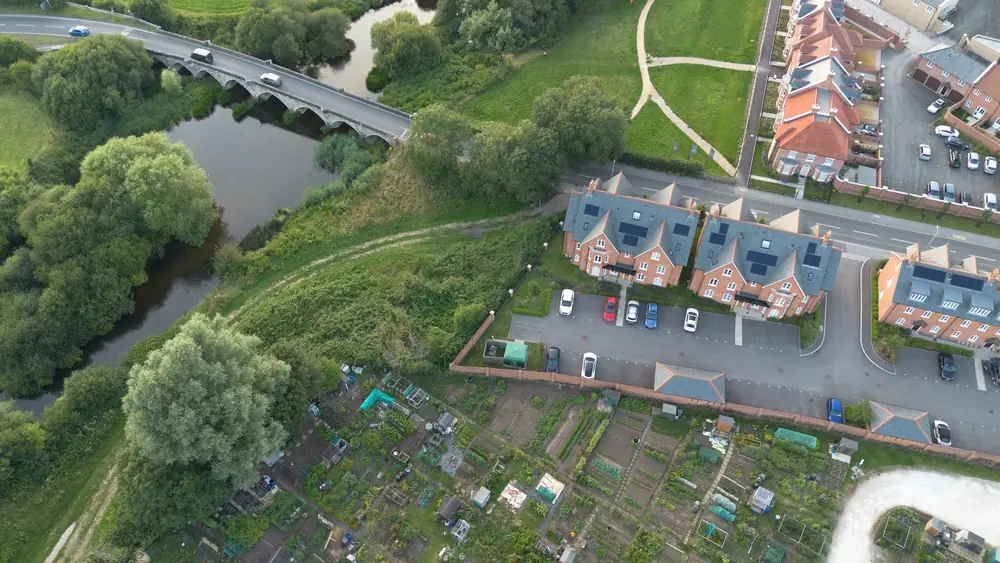
Given its position within an established residential cluster, the site was not considered to perform these functions in a meaningful way. This enabled the proposal to be assessed under the more flexible Grey Belt provisions of national policy, rather than being treated as inappropriate development.
This policy-led approach formed the foundation of the successful outcome.
A Strong Planning Balance
The planning case was further supported by the Council’s shortfall in housing land supply, which engages the presumption in favour of sustainable development under national policy.
In addition, the proposal delivered a self-build home, supporting government priorities for custom and self-build housing, and a family-sized dwelling, contributing to housing choice and diversity.
Taken together, these factors added significant weight to the planning balance.
Cerys Atchison, Town Planner, adds:
“This project highlights the importance of combining detailed site analysis with a policy-led approach. By responding to pre-application feedback and refining the design, we were able to deliver a scheme that both met policy requirements and respected the character of the area.”
A Design That Responds to Its Setting
The approved scheme was deliberately modest in scale and carefully designed to integrate with its surroundings while delivering a high-quality home.
Key features include a single-storey, three-bedroom bungalow, a compact and efficient internal layout, the use of traditional materials such as brick and slate, and a layout that safeguards privacy and respects neighbouring amenity.
The result is a well-considered design that complements the existing character of the area.
Sustainability Embedded in the Proposal
Sustainability was a core consideration in the design of the scheme, with measures including solar photovoltaic panels, an air source heat pump, and enhanced levels of insulation and fabric efficiency.
These features ensure the dwelling is energy-efficient, future-proofed, and aligned with national objectives for low-carbon development.
Resolving Technical Considerations
The application was supported by a comprehensive package of technical assessments, ensuring all key considerations were fully addressed.
This included the retention and protection of significant trees, minimal ecological impact with appropriate enhancements, parking and access arrangements compliant with local standards, and the use of permeable materials to support sustainable drainage.
This thorough approach ensured there were no technical barriers to approval.
The Outcome
Planning permission was granted, with the proposal considered to represent sustainable development that preserves the character of the area, avoids harm to the wider Green Belt, and delivers a high-quality self-build home.
This outcome demonstrates the value of a clear, policy-led planning strategy supported by detailed evidence.
Key Lessons for Property Owners, Self-Builders and Developers
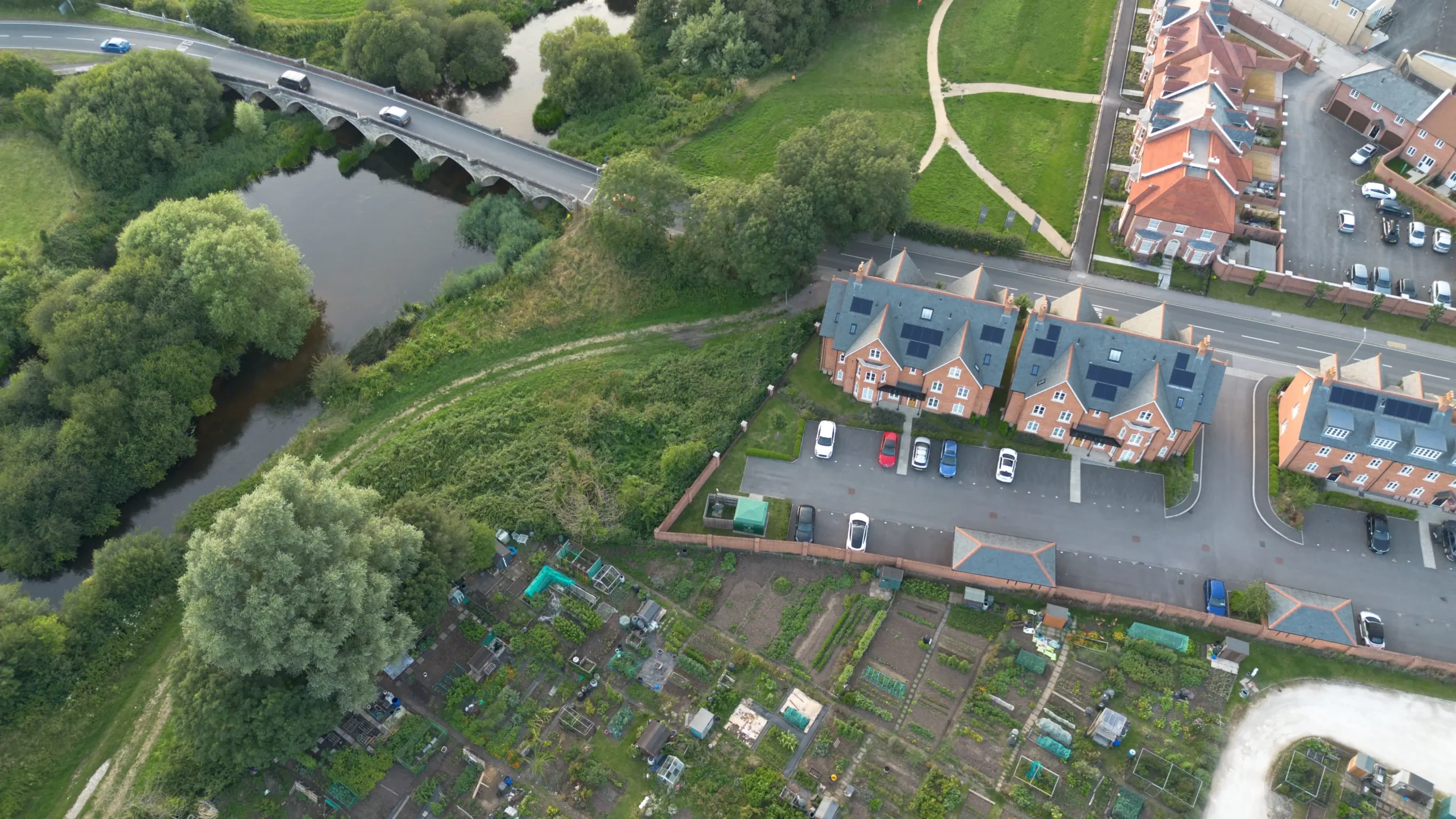
1. Green Belt Development May Be Achievable
Opportunities can exist where sites are carefully assessed and supported by a robust planning strategy.
2. A Strong Understanding of Planning Policy is Essential
Success often depends on how policy is interpreted and applied.
3. Pre-Application Discussions Add Significant Value
Engaging with the local planning authority early can strengthen proposals and reduce risk.
4. Strategy and Evidence Are Critical
A well-prepared application, supported by technical evidence, is fundamental to achieving a positive outcome.
How Planning By Design Can Help
Planning By Design provides expert planning advice and manages planning applications across a wide range of projects, including complex and constrained sites.
With experience across more than 900 successful approvals, we support clients at every stage, from initial feasibility through to decision, ensuring each application is underpinned by a clear and effective planning strategy.
Speak to a Planning Expert
If you are considering a project or would like expert advice on your development potential, contact Planning By Design today for a free, no-obligation consultation.
After completing her Masters in Urban and Regional Planning in 2019, Cerys gained experience in the public and private sectors. Specialising in transport planning for minor and major developments her unique skillset provides huge value to our clients and town planners by negating the need for costly and time-consuming third-party specialists.
Need Planning Advice? Get a Free Consultation.
Contact UsGet a Free Instant Estimate!
Cost Calculator


