
Categories
Category:
Blog
Could the New Grey Belt Rules Unlock Development on Your Land?
Introduction
If you’ve previously been told that your land has little chance of development because it falls within the Green Belt, recent planning reforms may have changed the conversation.
The introduction of the Grey Belt concept has become one of the most talked-about topics in UK planning. But does it actually create new opportunities for homeowners, landowners and developers?
While Grey Belt does not automatically make development easier, it could change how certain sites are assessed under planning policy and create opportunities that may previously have been overlooked.
In this article, we explain what Grey Belt means, who it could affect, and why some sites may now deserve a second look.
What Is Grey Belt Land?
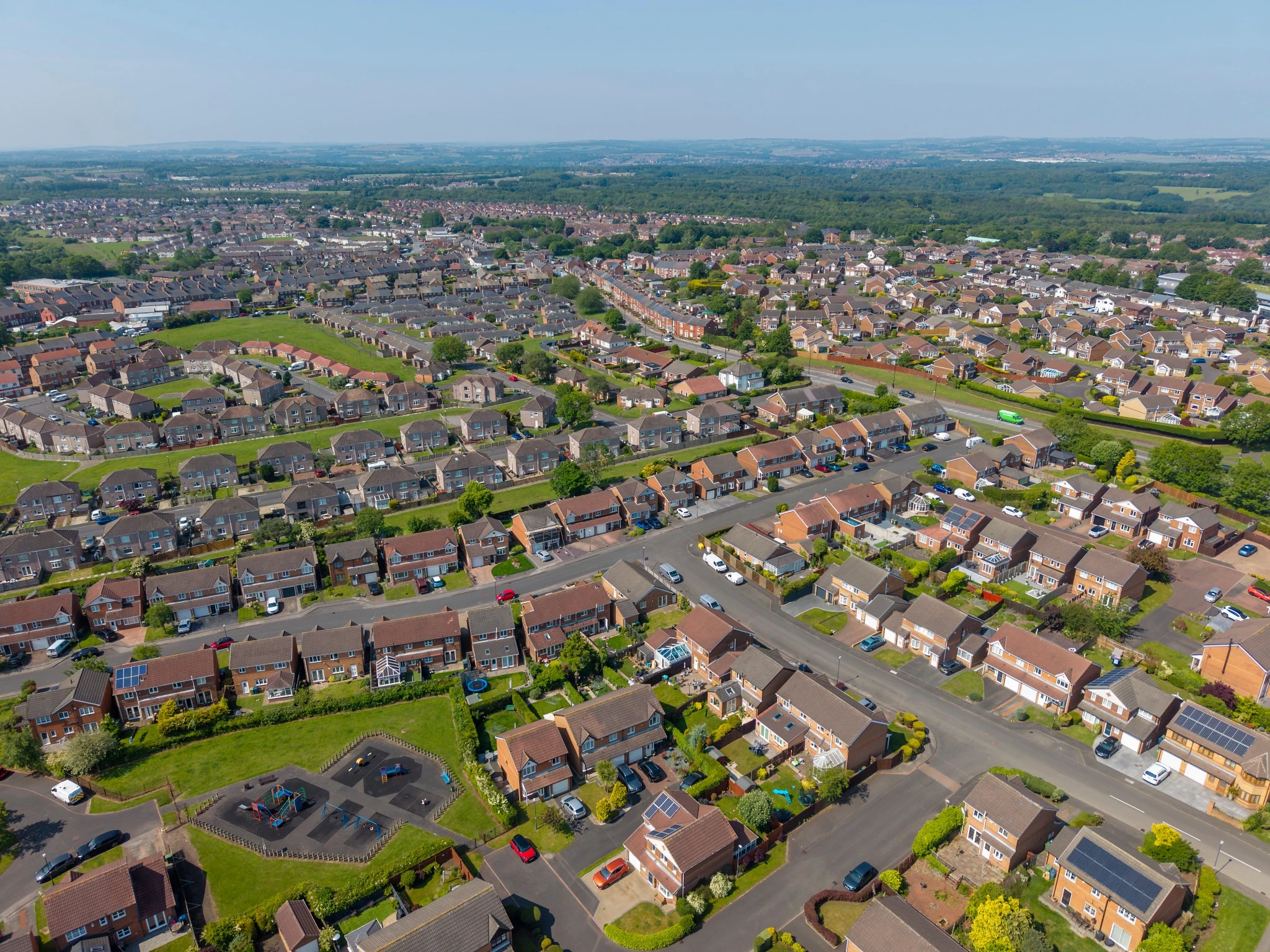
The concept was introduced as part of wider Government planning reforms aimed at increasing housing delivery and making better use of land that may have limited strategic Green Belt value.
Grey Belt is not a new planning designation and does not replace Green Belt protections. Instead, it seeks to identify sites that may be more suitable for development than other areas of protected Green Belt land.
Examples may include:
- Previously developed (brownfield) sites
- Disused commercial or industrial land
- Underutilised land
- Land surrounded by existing development
- Sites that contribute less strongly to Green Belt objectives
Grey Belt vs Green Belt: What’s the Difference?
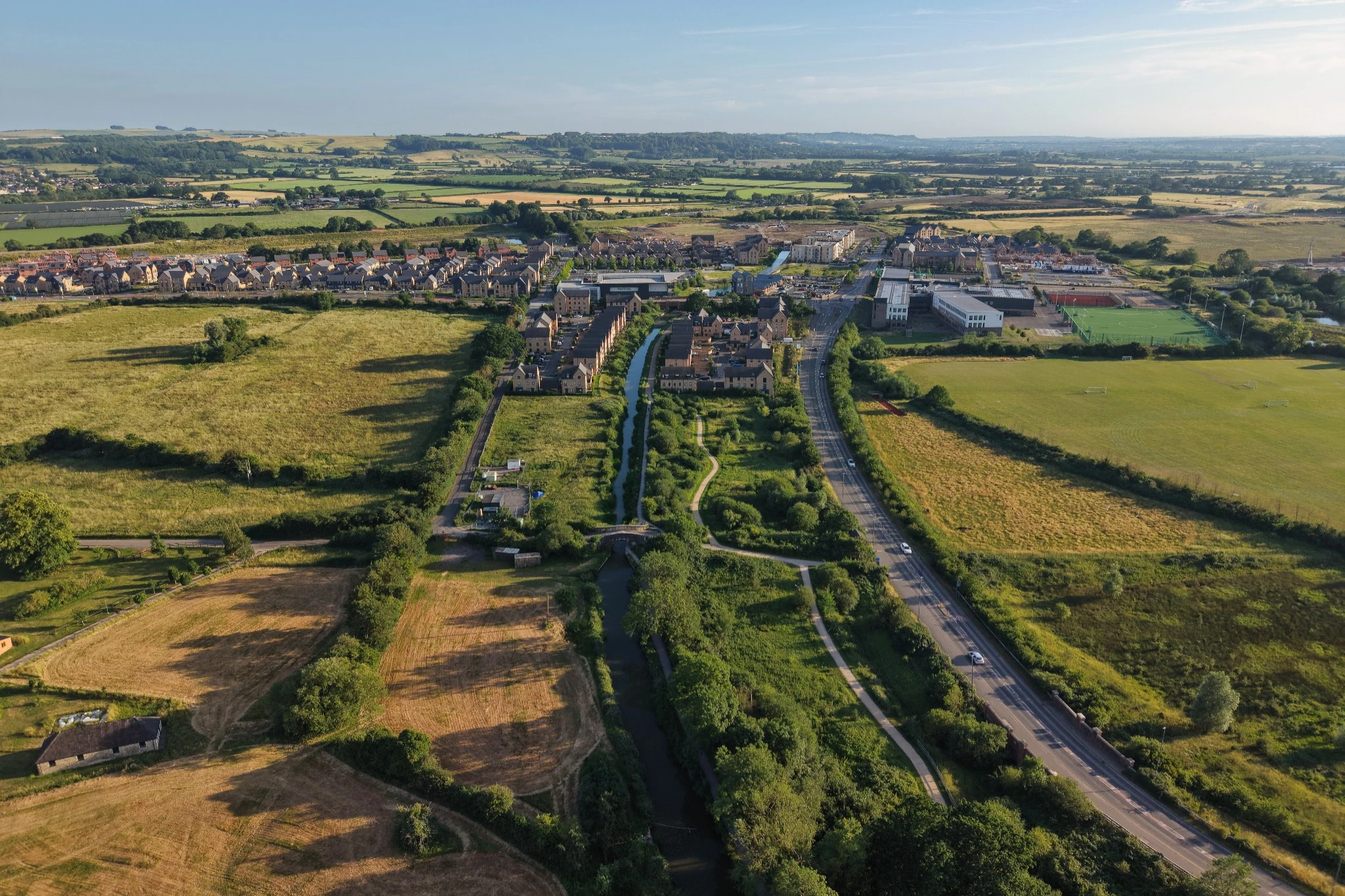
It does not.
Green Belt policy remains firmly in place and continues to protect large areas of land from inappropriate development.
The key difference is that Grey Belt seeks to distinguish between:
- Green Belt land that performs a strong strategic function
- Green Belt land that may have limited contribution to Green Belt purposes and greater development potential
For property owners, this distinction could become increasingly important when considering future development opportunities.
Could Your Site Potentially Be Considered Grey Belt?
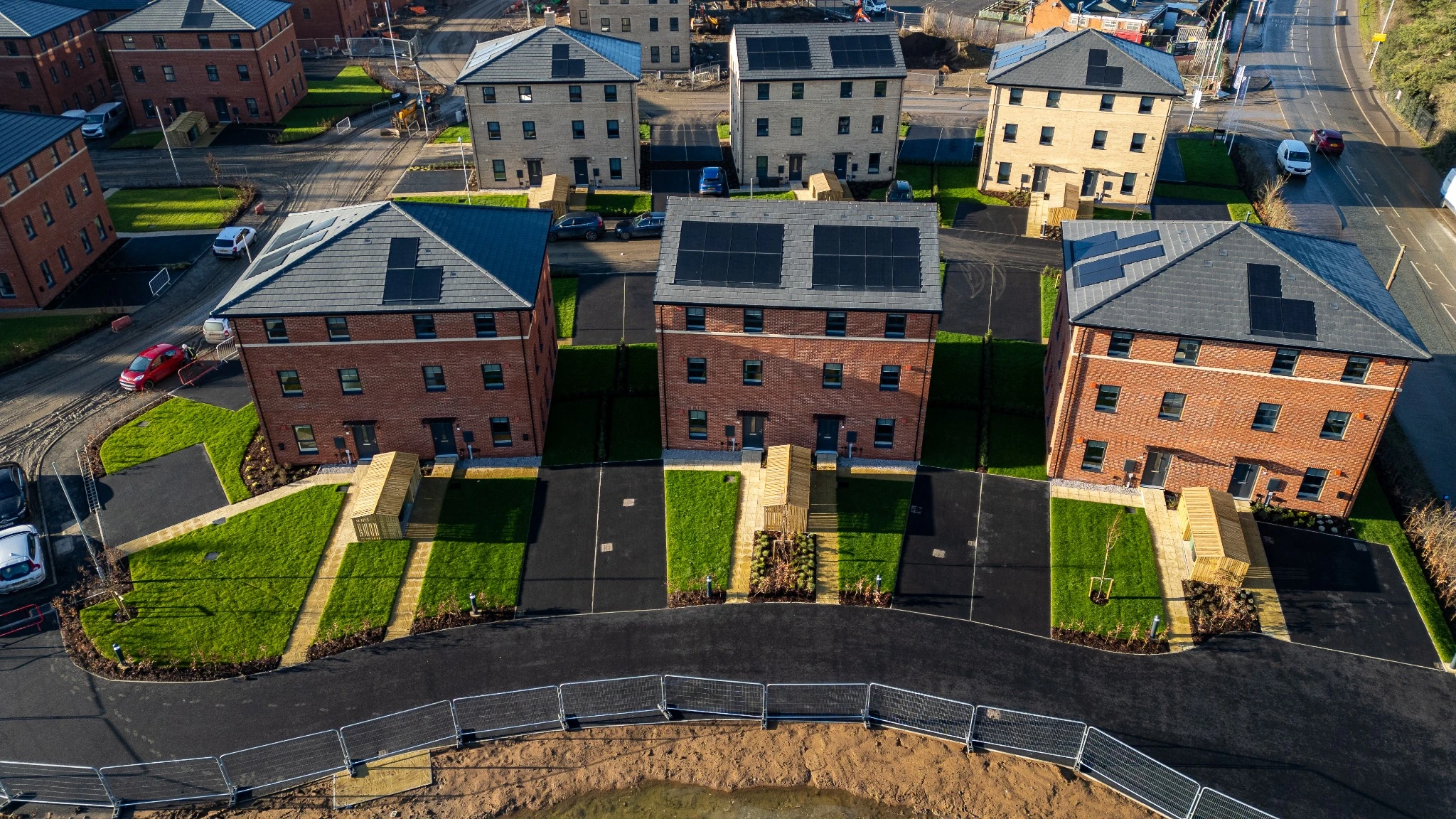
Quick Assessment Checklist
Your site may warrant a Grey Belt assessment if:
- It sits within the Green Belt
- It contains previously developed land
- It is adjacent to an existing settlement
- It has access to existing roads and infrastructure
- It no longer serves a strong Green Belt function
- It could deliver sustainable development benefits
While this checklist does not determine whether land qualifies as Grey Belt, it may indicate that a professional planning review is worthwhile.
Why Has Grey Belt Become So Important?
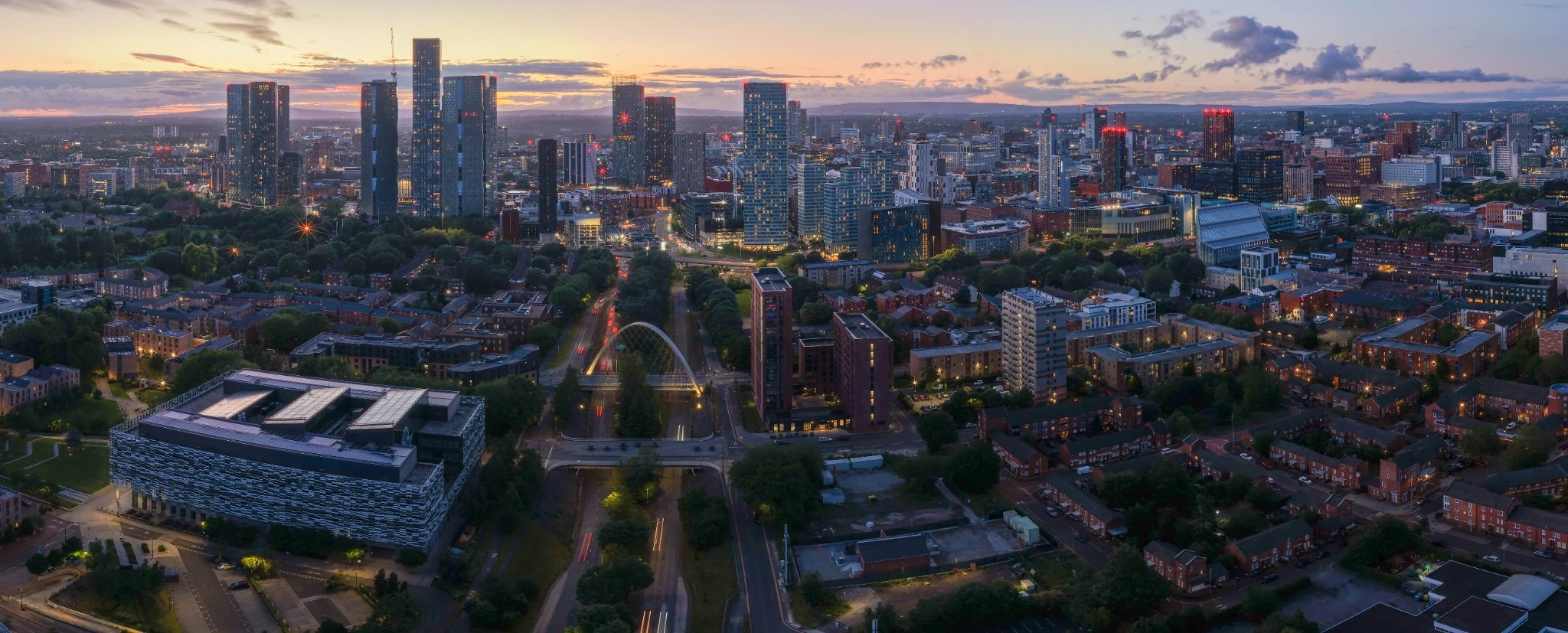
In response to these challenges, Grey Belt has emerged as part of a broader planning reform agenda aimed at identifying land that may be better suited to development while maintaining protection for areas that continue to serve an important Green Belt function.
The concept is intended to support sustainable growth by making more effective use of underutilised land, particularly in locations that are already well connected to existing settlements, infrastructure and services. By taking a more nuanced approach to Green Belt assessment, policymakers hope to unlock appropriate development opportunities while helping to address the UK’s growing demand for new homes.
As planning reforms continue to evolve, Grey Belt is likely to remain a major topic across the planning sector, creating both opportunities and challenges for homeowners, landowners and developers seeking to understand how the changes may affect their sites.
What We’re Seeing at Planning By Design

Since Grey Belt became part of the planning conversation, we have seen increasing interest from landowners, small developers, property investors, homeowners with larger plots and self-build clients who want to understand whether recent policy changes could affect their land.
One of the most common questions we are asked is: “Has my land suddenly become easier to develop?”
The answer depends entirely on the site. In some cases, changing policy priorities may create a stronger basis for reassessing development potential. However, in many situations, land may still be affected by important planning constraints such as access, ecology, flooding, heritage, landscape impact or local policy requirements.
This is why site-specific planning advice remains essential. Grey Belt may create new opportunities, but it does not remove the need for a robust planning strategy and a careful assessment of each individual site.
Could Your Property Be Affected?
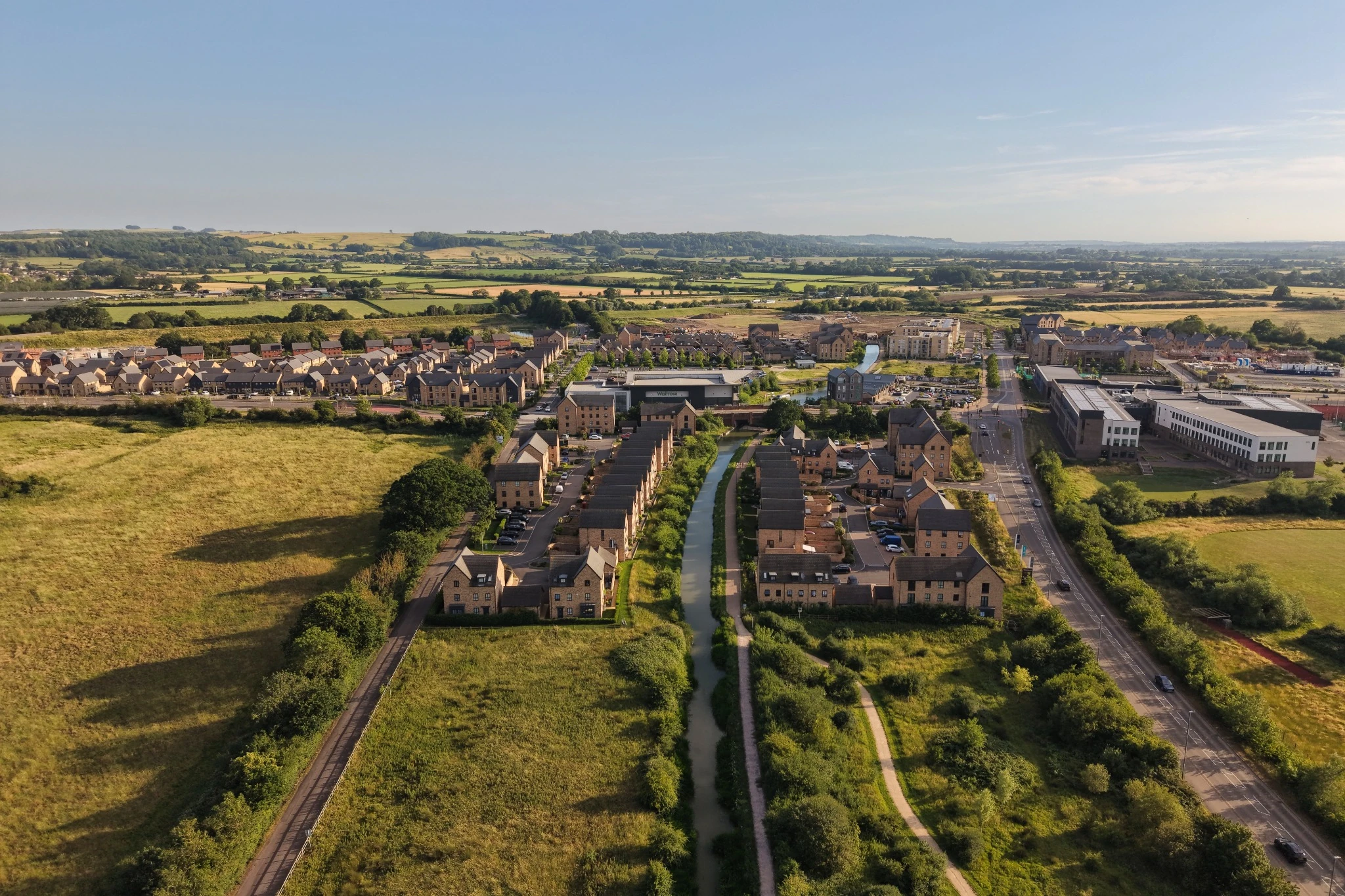
Similarly, underutilised or neglected land that no longer serves its original function may present opportunities that were not previously considered viable. Sites located adjacent to existing towns and villages could also benefit from evolving policy priorities, particularly where development would support sustainable growth and make use of existing infrastructure and services.
Land situated on the edge of settlements may be especially worthy of reassessment. In some cases, sites positioned between established development and open countryside could be viewed differently as policymakers seek to balance the protection of the Green Belt with the need to deliver new homes and support local growth.
However, it is important to remember that Grey Belt is not determined by location alone. Every site requires careful assessment against planning policy, local circumstances and site-specific constraints before any conclusions can be drawn about its development potential.
What Development Opportunities Could Grey Belt Create?
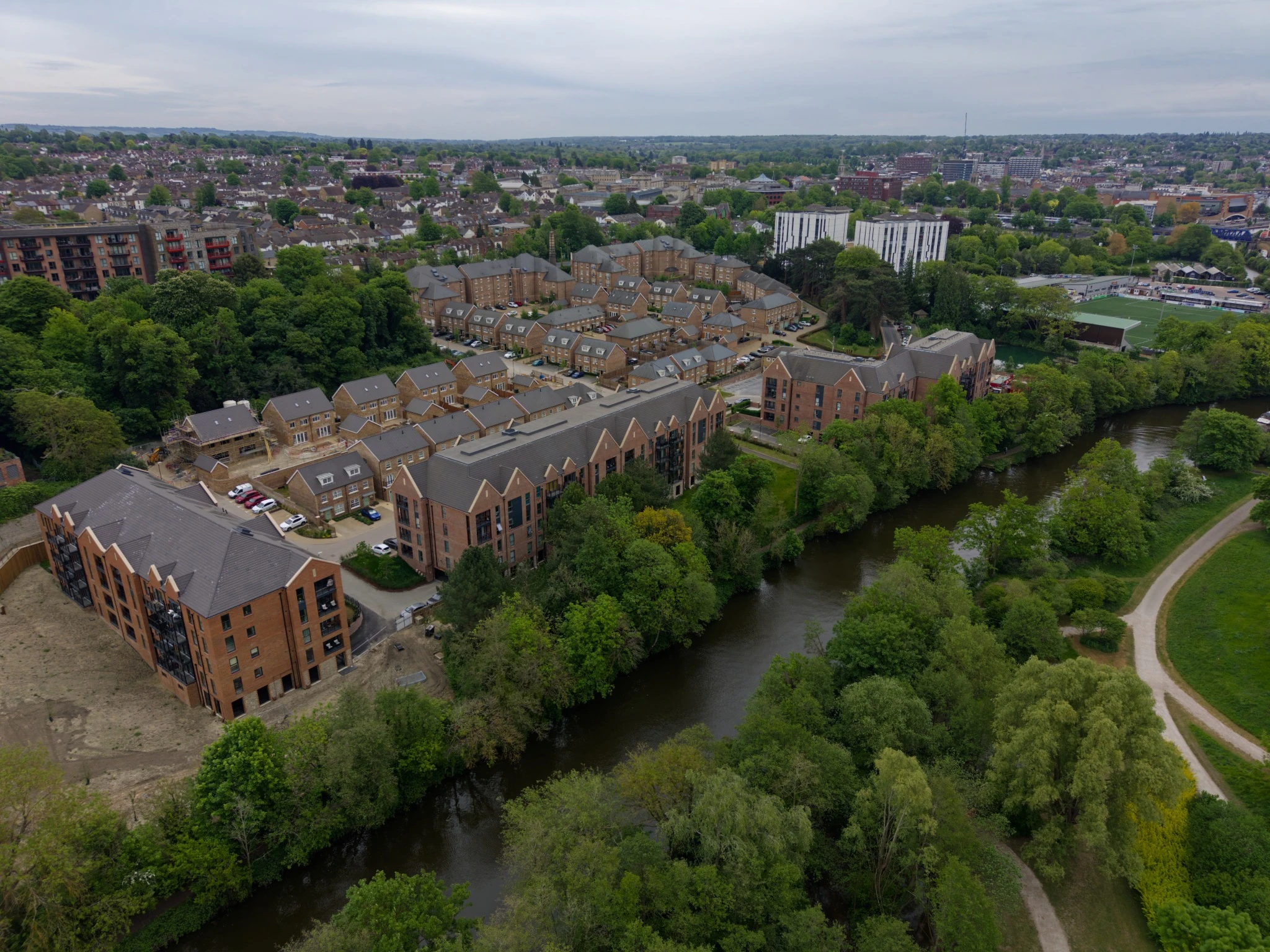
Residential development is likely to remain the primary focus, particularly for small and medium-sized housing schemes that can contribute to local housing supply. Self-build projects may also benefit, providing opportunities for individuals looking to create their own homes on sites that may previously have faced significant planning challenges.
In addition, Grey Belt could encourage the redevelopment of previously developed land, helping to bring underused sites back into productive use. Certain commercial and mixed-use developments may also become more viable where they support local economic growth, strengthen communities and make effective use of existing infrastructure.
That said, Grey Belt should not be viewed as a guarantee of development potential. The opportunities available on any site will continue to depend on a range of factors, including local planning policy, environmental considerations, access arrangements and the overall suitability of the proposed development.
Example Scenario: Could Grey Belt Create New Opportunities?
Consider a landowner who owns a small parcel of underutilised land on the edge of an existing settlement. Historically, the site’s Green Belt designation may have made residential development difficult to justify, despite its proximity to housing, roads and local services.
Under emerging Grey Belt policy considerations, that same site may now warrant a fresh planning assessment. If it can be demonstrated that the land makes a limited contribution to Green Belt purposes and that development could deliver sustainable planning benefits, there may be a stronger basis for exploring future opportunities.
This does not mean that planning permission would automatically be granted. However, it illustrates how changing policy priorities may encourage landowners and developers to revisit sites that were previously dismissed as having little or no development potential.Why Some Grey Belt Sites Still Won’t Get Planning Permission
Why Some Grey Belt Sites Still Won’t Get Planning Permission

In practice, many sites continue to face challenges that can significantly influence the outcome of a planning application. Flood risk, highway access, ecological considerations, protected species, heritage assets, landscape impact and infrastructure capacity can all affect whether development is considered acceptable.
Local planning policies will also continue to play a crucial role. Even where a site appears to align with Grey Belt principles, conflicts with local policy objectives or site-specific constraints may still limit development opportunities.
Ultimately, successful development depends on far more than policy labels. A robust planning strategy, detailed site assessment and clear understanding of local planning requirements remain essential to maximising the chances of a successful outcome.
Expert Insight
Aaron Basi, Head of Town Planning at Planning By Design, comments:
“The biggest misconception we’re seeing is that Grey Belt automatically creates development opportunities.”
“In reality, planning authorities will still expect applicants to demonstrate sustainable development, high-quality design and compliance with both local and national planning policy.”
“The opportunity lies in identifying sites that may previously have been overlooked but now deserve a fresh assessment under evolving planning policy.”
“For some landowners, Grey Belt could represent a genuine opportunity. However, every site remains unique and a detailed planning appraisal is still essential before making decisions based on perceived development potential.”
What Should Landowners and Developers Do Next?
If you own land that may be affected by emerging Grey Belt policies, now is an ideal time to take a closer look at its development potential. While recent planning reforms may create new opportunities for some sites, understanding whether those opportunities apply to your land requires a careful assessment of both planning policy and site-specific constraints.
Before making any decisions, it is important to understand how your site is positioned within the local planning framework, what constraints may affect future development, and whether there is a realistic prospect of securing planning permission. Factors such as access, environmental considerations, local policy requirements and infrastructure capacity can all play a significant role in determining the viability of a proposal.
For landowners, developers and investors alike, early due diligence is becoming increasingly important as planning policy continues to evolve. A professional planning appraisal can help identify opportunities, assess risks and provide a clear strategy for moving forward with confidence.
If you’re unsure whether Grey Belt could affect your property, Planning By Design offers a free, no-obligation consultation to discuss your site and explore its potential.
Could Your Site Benefit From Grey Belt Opportunities?
The introduction of Grey Belt has created significant discussion across the planning sector and may create opportunities for some landowners, homeowners and developers.
However, every site is different, and understanding whether planning reform genuinely affects your property requires expert assessment.
At Planning By Design, our planning consultants and architectural team help homeowners, landowners and developers assess development potential, navigate planning policy and maximise the chances of a successful outcome.
If you would like to understand whether your site could benefit from emerging Grey Belt opportunities, contact our team for a free, no-obligation consultation.
Frequently Asked Questions About Grey Belt
What is Grey Belt land?
Grey Belt refers to land within the Green Belt that may make a lower contribution to Green Belt purposes and could be more suitable for development.
Does Grey Belt mean I can build on Green Belt land?
No. Planning permission is still required and Green Belt protections remain in place.
How do I know if my property could be considered Grey Belt?
A professional planning assessment is usually required to understand how policy may apply to a specific site.
Does Grey Belt guarantee planning permission?
No. Every application is assessed on its individual merits and constraints.
Should I have my land assessed?
If your site is within the Green Belt and you are considering development, a planning appraisal can help identify opportunities and risks.

A versatile and resilient Chartered MRTPI Town Planner with private and public sector experience. Aaron has a deep understanding of the planning process as both the applicant and local planning authority. Whether small scale residential or large scale commercial developments his expertise ensures the best advice and robust planning applications.
Need Planning Advice? Get a Free Consultation.
Contact UsGet a Free Instant Estimate!
Cost Calculator


